
- 0
- 1,163 word
Understanding Quantum Computing: The Basics
Quantum computing represents a significant shift in how we approach computations, leveraging the principles of quantum mechanics to perform complex calculations at unprecedented speeds. At the heart of quantum computing are qubits, the fundamental units of data in quantum systems. Unlike classical bits, which are binary and can either exist as 0 or 1, qubits can exist in a state of superposition. This means they can represent both states simultaneously, vastly increasing the computational power available at any given time.
Another critical concept in quantum computing is entanglement. When qubits become entangled, the state of one qubit becomes directly related to the state of another, regardless of the distance separating them. This phenomenon enables quantum computers to perform operations on multiple qubits simultaneously. Consequently, this interconnection and the ability for qubits to exist in multiple states simultaneously allows quantum systems to process information in ways that classical computers cannot.
Furthermore, quantum gates are akin to classic logic gates used in traditional computing, serving as the building blocks for quantum circuits. These gates manipulate the states of qubits through quantum operations, enabling complex calculations and algorithm implementation. When compared to conventional computing, where each operation is sequential and limited by classical bit constraints, quantum computing offers an exponential increase in processing capability.
By understanding these foundational concepts, we can appreciate the rapid advancements in quantum computing technologies projected for 2026. The unique advantages provided by quantum systems suggest a transformative impact, not only in the field of computing but across various sectors globally, thereby revolutionizing problem-solving methodologies.
Recent Breakthroughs in Quantum Technology
The landscape of quantum computing has undergone significant transformations in recent years, particularly as we approach 2026. Leading tech companies and research institutions have made notable advancements that have propelled quantum technology from theoretical frameworks into practical applications. One of the most remarkable breakthroughs has been the development and refinement of quantum algorithms, which have shown promise in solving complex problems that classical computing has struggled with.
Researchers have focused on optimizing known algorithms, such as Shor’s algorithm for factoring large numbers and Grover’s algorithm for searching unsorted databases. These algorithms have been enhanced to maximize performance on existing quantum hardware, paving the way for increased computational efficiency. The engagement of leading corporations, including IBM and Google, has accelerated this innovation, with their proprietary quantum processors demonstrating significantly improved qubit coherence times and error rates.
Moreover, substantial progress has been made in quantum hardware capabilities. The integration of superconducting qubits and trapped ions has shown a marked increase in error correction techniques, making it feasible to scale quantum systems. Notably, advancements in materials science have allowed for the development of more stable qubit designs, which are critical for maintaining quantum states long enough to perform computations.
The competitive landscape among institutions has further fueled innovation in quantum technology. Collaborative projects such as the Quantum Internet Initiative have emerged, focusing on creating a quantum networking framework that could revolutionize data transfer and security. Additionally, private investments in quantum startups are on the rise, indicating a healthy ecosystem where diverse projects can converge towards significant breakthroughs in quantum computing.
As we continue to witness these breakthroughs, it becomes evident that the advancements in quantum algorithms and hardware are essential steps toward realizing the full potential of quantum computing by 2026. The strategic initiatives undertaken by key players in the field will undoubtedly shape the future of quantum technology.
Commercial Applications and Industry Adoption
As quantum computing technology matures, numerous industries are starting to leverage its capabilities for diverse commercial applications. The healthcare sector, for example, stands to benefit significantly from quantum computing in drug discovery and personalized medicine. By utilizing quantum algorithms, researchers can analyze complex biological structures with unparalleled speed and accuracy, leading to faster identification of potential drug candidates. A notable case is the collaboration between pharmaceutical companies and quantum startups, focusing on the development of new therapies that could transform treatment protocols.
In the financial realm, quantum computing is revolutionizing risk management and trading strategies. Financial institutions are increasingly adopting quantum solutions to process vast datasets and perform complex calculations. By harnessing quantum algorithms, they can evaluate risk factors in real time, allowing for more informed decision-making. For instance, several large banks have initiated pilot projects exploring the application of quantum technologies for optimizing investment portfolios, which promise to deliver higher returns through accelerated computation.
Moreover, the scientific research community is also at the forefront of quantum computing adoption. Researchers are applying quantum simulations to solve intricate problems in physics and materials science, potentially leading to breakthroughs that were previously unattainable. Institutions like universities and national labs are collaborating with tech companies to explore innovative projects, pushing the boundaries of knowledge through computational advancements.
The rapid adoption of quantum computing across industries demonstrates a collective pivot towards embracing emerging technologies. Many corporations are investing in quantum research and development initiatives, recognizing the competitive advantage it provides. As more organizations begin to integrate quantum solutions into their workflows, the landscape of traditional industries will undoubtedly be reshaped, paving the way for transformative projects and applications.
Cybersecurity Implications and Future Potential
The advancement of quantum computing brings significant implications for cybersecurity, particularly concerning traditional encryption methods that have long been deemed secure. Classical encryption algorithms, such as RSA and ECC, rely on the computational difficulty of tasks like factoring large numbers and solving discrete logarithm problems. With the capabilities of quantum computers that possess qubits, these tasks can potentially be executed in a fraction of the time taken by classical computers, effectively rendering these encryption methods obsolete.
This raises alarming concerns regarding data privacy and security, as sensitive information could become accessible to malicious actors equipped with quantum technology. The ability for quantum computers to break existing encryption not only threatens individual privacy but also undermines the integrity of the entire digital ecosystem, leading to vulnerabilities across various sectors, including finance, healthcare, and national security.
In response to these threats, the emergence of quantum cryptography presents opportunities for enhancing cybersecurity frameworks. Quantum Key Distribution (QKD) is at the forefront of this technology, utilizing principles of quantum mechanics to create unbreakable encryption methods. In a QKD system, any attempt to intercept or measure the quantum keys will disturb the quantum state, thus alerting the parties involved of potential breaches. This could instigate a paradigm shift in how organizations protect their data, emphasizing a transition to quantum-resistant cryptographic protocols that can withstand the onslaught of quantum hacking.
Looking ahead, the future landscape of quantum technologies holds the promise of both challenges and advancements. As quantum computing evolves, it may not only revolutionize cybersecurity but also foster overall technological innovation. Industries may witness a redefinition of security standards, pushing the boundary of what is deemed possible in both protection and computational capability. Effective collaboration among governments, industries, and researchers will be vital to ensuring a secure digital future as we navigate this dynamic landscape.
This Information Sponsored By: https://www.ez96live.com/
Author

96livemarketing@gmail.com
Related Posts
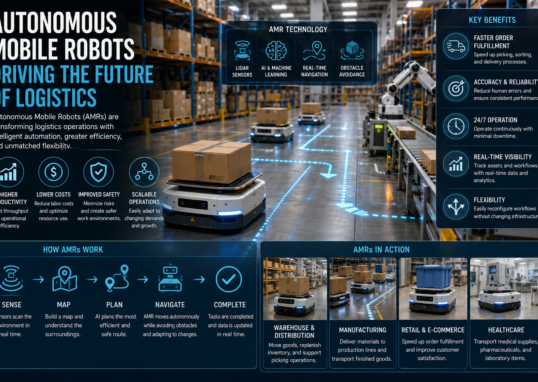
Autonomous Mobile Robots Driving the Future of Logistics
- 0
- 1,458 word
Autonomous Mobile Robots Driving the Future of Logistics – The logistics industry is experiencing a major technological transformation. As global commerce expands and...
Read out all
Home Robots in 2026: Smarter Living Every Day
- 0
- 1,233 word
Home Robots in 2026: Smarter Living Every Day – As we move into 2026, the landscape of domestic life is being reshaped...
Read out allThe Future of Computing: How Photonic Technology is Set to Revolutionize Beyond Silicon Chips
- 0
- 1,141 word
Understanding Photonic Computing Photonic computing is an innovative approach that leverages the unique properties of light to carry out computations, marking a...
Read out all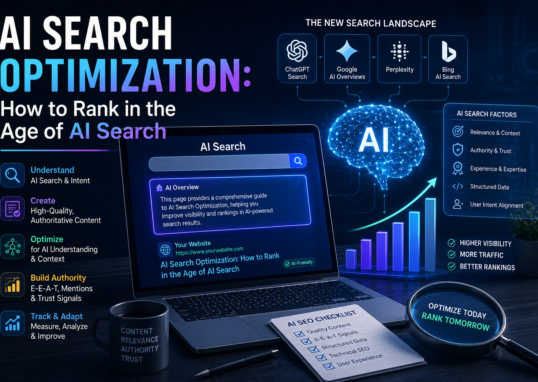
AI Search Optimization: How to Rank in the Age of AI Search
- 0
- 1,191 word
AI Search Optimization: How to Rank in the Age of AI Search – The landscape of search engines is undergoing a significant...
Read out all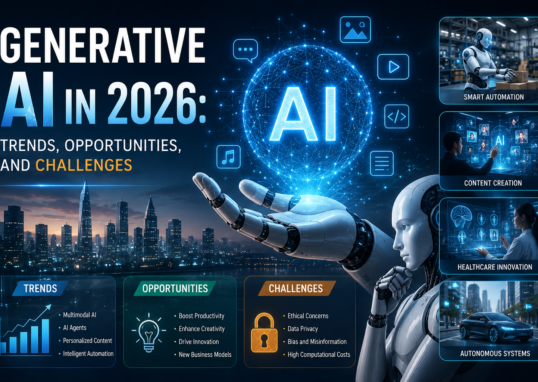
Generative AI in 2026: Trends, Opportunities, and Challenges
- 0
- 1,197 word
Generative AI in 2026: Trends, Opportunities, and Challenges – As we look towards 2026, the landscape of generative artificial intelligence (AI) is...
Read out all
How AI is Transforming Robotics in 2026
- 0
- 1,118 word
How AI is Transforming Robotics in 2026 – As of 2026, the field of robotics has experienced a remarkable transformation, driven largely...
Read out all