
- 0
- 1,118 word
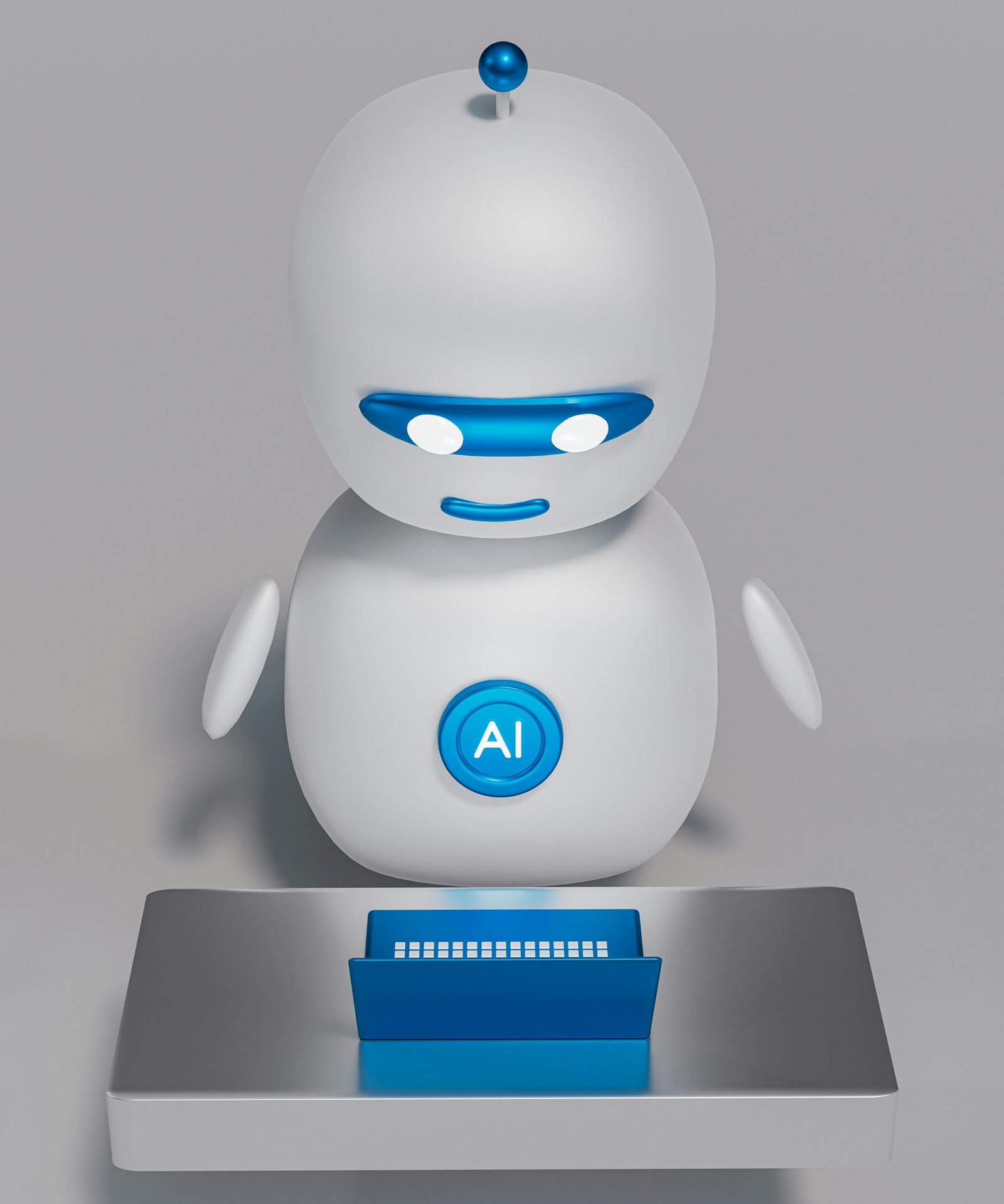
How AI is Transforming Robotics in 2026 – As of 2026, the field of robotics has experienced a remarkable transformation, driven largely by advancements in artificial intelligence (AI) technologies. Over the past few years, we have witnessed significant improvements in the capabilities of robotic systems, making them more autonomous, versatile, and efficient. Robotics today leverages AI to enhance decision-making processes, enabling robots to adapt to dynamic environments and perform complex tasks with minimal human intervention.
The integration of AI into robotics is particularly evident in industries that are at the forefront of adopting these technologies. The manufacturing sector has significantly benefited from robotics, utilizing AI to optimize production processes, reduce errors, and increase overall productivity. Advanced robots are now capable of collaborating with human workers, ensuring higher quality control and safety standards while maintaining a fluid workflow.
Moreover, the healthcare industry has also seen a surge in the implementation of robotic systems. Robotic surgery assistants, equipped with AI algorithms, enhance surgical precision and minimize recovery time for patients. In addition, the use of AI-powered robots for elderly care and rehabilitation is on the rise, providing support and companionship that improves the quality of life for patients.
Another area where robotics is flourishing is within the service industry. Robots are increasingly utilized in areas such as hospitality, retail, and logistics, where they can efficiently manage inventory, assist customers, and even deliver products. The flexibility and adaptability of modern robotic systems allow businesses to streamline operations and enhance customer experiences.
In summary, the state of robotics in 2026 demonstrates a dynamic landscape where AI’s influence is shaping the future. Industries across the board are recognizing the value of integrating advanced robotics and AI, driving innovation and establishing a new era of productivity and service delivery.
AI-Driven Robotics: Key Innovations
The integration of artificial intelligence (AI) into robotics has ushered in a new era of innovation, significantly enhancing the capabilities and applications of robotic systems. One of the most notable advancements is in the field of machine learning algorithms. These algorithms have improved robotic perception and decision-making by enabling machines to analyze vast amounts of data and learn from their environments. Through deep learning techniques, robots can now recognize objects, understand complex patterns, and even adapt to unforeseen circumstances, greatly increasing their operational efficiency.
Another transformative development is the rise of collaborative robots, commonly referred to as cobots. Unlike traditional robots that operate in isolation, cobots are designed to work alongside human operators, assisting them in various tasks. This synergy not only boosts productivity but also enhances workplace safety, as cobots are equipped with advanced sensors and AI-driven systems that allow them to respond intuitively to human actions. For instance, in manufacturing settings, cobots can handle repetitive tasks while humans focus on more complex activities, leading to optimized workflows and improved job satisfaction.
Moreover, AI has significantly advanced the autonomy of robotic systems. Robotics that once required extensive human oversight are now capable of performing intricate tasks independently. Enhanced navigation systems, powered by AI, allow these robots to traverse challenging terrains and execute deliveries with minimal human intervention. A notable example is the deployment of autonomous drones in agriculture, where they monitor crop health and optimize resource allocation, illustrating the substantial impact of AI-driven innovations in robotics.
These advancements exemplify the potential of AI to enhance robotics, paving the way for smarter, more efficient systems that can tackle complex real-world challenges in diverse sectors, from manufacturing and healthcare to agriculture and logistics.
Challenges and Ethical Considerations
The integration of artificial intelligence (AI) into robotics has resulted in significant advancements, yet it is also accompanied by a myriad of challenges and ethical considerations. One of the most pressing concerns is job displacement. As robots powered by AI become more capable and autonomous, they increasingly replace tasks traditionally performed by humans. This shift could result in substantial job losses across various sectors, leading to economic disruption and social unrest. Therefore, discussions about re-skilling and the transition of affected workers into new roles become crucial as society grapples with these changes.
Another critical aspect is the necessity for transparent AI decision-making processes. As robots rely on complex algorithms to process information and make decisions, ensuring that these processes are transparent and understandable is essential. Without transparency, it becomes challenging to trust, assess, or challenge the actions undertaken by AI-driven robots. This lack of clarity raises concerns about accountability, particularly when a robotic system makes decisions that impact individuals or groups. Stakeholders must collectively advocate for frameworks that facilitate accountability and clarity regarding AI operations in robotics.
Moreover, the potential for bias within AI algorithms presents significant ethical dilemmas. Robots and AI systems learn from data, which may contain historical biases, inadvertently perpetuating discrimination in outcomes. This risk underscores the importance of rigorous testing and validation of AI systems before deployment. Establishing guidelines to mitigate bias and ensure fairness in robotic applications is imperative. Thus, robust regulatory frameworks are necessary to ensure the ethical development and deployment of AI-driven robotics, necessitating collaborations among technologists, ethicists, and policymakers.
The Future of Robotics and AI Integration
The integration of artificial intelligence into robotics is paving the way for unprecedented advancements in automation and efficiency across numerous sectors. As we look toward 2026, the evolution of AI technologies promises to fundamentally change how robots are deployed in everyday life. Robots will likely become an integral part of both industrial and personal environments, executing complex tasks that were once deemed too challenging for machines.
One significant area of development is the creation of fully autonomous robots. These advanced systems will be capable of operating independently, guided by sophisticated algorithms driven by machine learning. This could include everything from autonomous delivery drones optimizing their flight paths in real time, to robotic assistants capable of managing household chores without human intervention. As these systems evolve, the limit of their capabilities will stretch beyond routine tasks, as robots become adept at handling nuanced and adaptive challenges.
The impact of robotics and AI integration will extend into diverse industries such as healthcare, agriculture, and manufacturing. In healthcare, robots may assist surgeons with high-precision tasks or provide essential support in elder care. Meanwhile, in agriculture, autonomous machinery could manage planting, harvesting, and monitoring crops with minimal human oversight, leading to enhanced yield and reduced labor costs.
As the boundaries of robotics continue to expand, it is vital to consider the ethical implications and our relationship with these intelligent machines. As robots integrate more deeply into our lives, society will need to navigate the challenges of dependency, job displacement, and privacy concerns. The journey toward a future where robots and AI coexist harmoniously with humanity will require careful consideration, innovation, and collaboration among technologists, policymakers, and the public.
Author

96livemarketing@gmail.com
Related Posts
Autonomous Mobile Robots Driving the Future of Logistics
- 0
- 1,458 word
Autonomous Mobile Robots Driving the Future of Logistics – The logistics industry is experiencing a major technological transformation. As global commerce expands and...
Read out all
Home Robots in 2026: Smarter Living Every Day
- 0
- 1,233 word
Home Robots in 2026: Smarter Living Every Day – As we move into 2026, the landscape of domestic life is being reshaped...
Read out allThe Future of Computing: How Photonic Technology is Set to Revolutionize Beyond Silicon Chips
- 0
- 1,141 word
Understanding Photonic Computing Photonic computing is an innovative approach that leverages the unique properties of light to carry out computations, marking a...
Read out all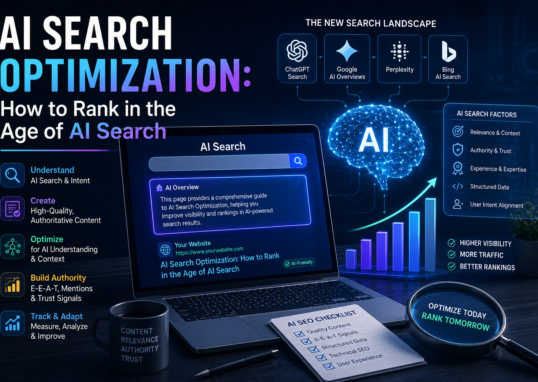
AI Search Optimization: How to Rank in the Age of AI Search
- 0
- 1,191 word
AI Search Optimization: How to Rank in the Age of AI Search – The landscape of search engines is undergoing a significant...
Read out all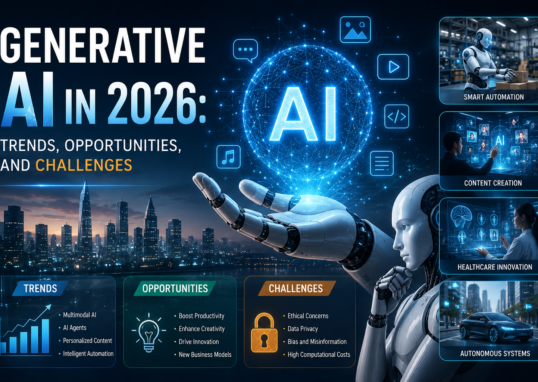
Generative AI in 2026: Trends, Opportunities, and Challenges
- 0
- 1,197 word
Generative AI in 2026: Trends, Opportunities, and Challenges – As we look towards 2026, the landscape of generative artificial intelligence (AI) is...
Read out allThe Quantum Leap: Exploring the Rapid Advancement of Quantum Computing in 2026
- 0
- 1,163 word
Understanding Quantum Computing: The Basics Quantum computing represents a significant shift in how we approach computations, leveraging the principles of quantum mechanics...
Read out all