
- 0
- 1,151 word
Introduction to Green Data Centers
Green data centers represent a paradigm shift in data management and processing facilities, focusing on sustainability and efficiency. These centers are designed to minimize carbon footprints by utilizing energy-efficient technologies, optimizing resource usage, and implementing renewable energy sources. As the demand for artificial intelligence and cloud computing continues to grow exponentially, the re-evaluation of data center designs and operations becomes crucial.
At their core, green data centers prioritize sustainable technology to reduce operational costs and environmental impacts. This involves adopting practices such as effective cooling methods, virtualization technologies, and energy-efficient hardware. Moreover, transitioning to sustainable data centers not only helps manage energy consumption but also aligns with corporate social responsibility initiatives. Organizations recognize the necessity of integrating renewable energy solutions into their infrastructure, reducing reliance on fossil fuels while promoting a healthier planet.
The increasing utilization of artificial intelligence necessitates substantial data processing capabilities, which often leads to significant energy consumption. By transforming traditional data centers into green computing environments, businesses can mitigate the environmental impacts associated with this surge in energy demand. Furthermore, the compatibility of cloud computing with green technologies paves the way for optimized operations, ensuring scalability without the corresponding increase in energy usage.
Green data centers are not merely a trend but a vital response to the pressing challenges posed by climate change and resource depletion. As organizations strive to enhance their digital capabilities through sustainable technology, the implications of adopting green practices extend beyond mere compliance with regulations; they foster innovation and drive competitive advantages in a technology-driven marketplace. By harnessing the power of renewable energy within data centers, businesses can ensure responsible growth and contribute positively to global sustainability efforts.
Renewable Energy Solutions and Their Impact
In the realm of sustainable technology, renewable energy solutions play a crucial role in optimizing the operations of green data centers. These facilities primarily harness sources such as solar, wind, and hydroelectric power to reduce their dependency on fossil fuels, thereby significantly lowering their carbon footprint. The integration of renewable energy into data center operations not only addresses environmental concerns but also aligns with corporate goals for sustainability and energy efficiency.
Solar panels are increasingly common in green data centers, providing a clean and renewable power source. Through smart grid technology, facilities can store excess energy generated during peak sunlight hours for use during high-demand periods. Wind power also contributes to the renewable energy landscape for data centers, with many facilities strategically located in areas with consistent wind patterns. This dual approach lowers energy costs and enhances sustainability while reducing reliance on conventional power sources.
Hydroelectric power, generated from flowing water, is another impactful source of renewable energy that data centers can utilize. By connecting to regional hydroelectric grids, data centers can ensure a stable and sustainable energy supply. Effective energy procurement strategies, such as power purchase agreements (PPAs) with renewable sources, allow these centers to secure long-term contracts that not only stabilize costs but also promote wider adoption of sustainable technologies.
Case studies reveal that organizations adopting renewable energy solutions have witnessed significant improvements in both sustainability and operational efficiency. The deployment of artificial intelligence in managing energy use further enhances energy efficiency, ensuring that resources are optimally deployed throughout the data center’s operations. This synergy between renewable energy, cloud computing, and advanced technologies paves the way for a more environmentally responsible and innovative future.
Innovative Cooling Systems and Energy Efficiency
As the demand for cloud computing and artificial intelligence continues to surge, green data centers are increasingly adopting innovative cooling systems that prioritize energy efficiency. Traditional cooling methods frequently consume substantial amounts of energy, contributing to excessive carbon emissions and high operational costs. In contrast, advanced cooling technologies harness sustainable practices to effectively manage temperature regulation while minimizing energy consumption.
One notable method is liquid cooling, which utilizes liquids instead of air to cool server components. This technique can achieve higher cooling densities and is significantly more efficient compared to air cooling systems. By transferring heat more effectively, liquid cooling ensures optimal performance of equipment, making it particularly advantageous for data centers handling large-scale AI computations and cloud services.
Another efficient practice is free cooling, which takes advantage of external environmental conditions to lower temperatures within data centers. By leveraging cooler outdoor air or water, free cooling systems reduce reliance on energy-intensive mechanical cooling during temperate weather. This not only enhances energy efficiency but also further aligns with the goals of sustainable technology by utilizing renewable energy sources available naturally.
Additionally, the implementation of advanced thermal management practices further complements these cooling methods. Techniques such as hot aisle/cold aisle containment and intelligent airflow management optimize the cooling process by directing and concentrating cold air where it is needed most, reducing the overall energy footprint. This nuanced balance between performance and energy savings plays a critical role in supporting the computational needs of modern cloud computing and artificial intelligence applications.
By adopting these innovative cooling systems, green data centers not only enhance their energy efficiency but also contribute to a more sustainable future in the technology sector.
Future Innovations in Data Center Infrastructure
The rapid evolution of renewable energy technologies is poised to significantly influence the design and operation of green data centers. As the demand for cloud computing continues to grow, integrating artificial intelligence with energy management systems is becoming increasingly crucial. AI-driven optimization techniques are being utilized to analyze and predict energy consumption patterns, thereby enhancing operational efficiency and reducing waste. By leveraging machine learning algorithms, data centers can minimize energy use while maintaining performance, resulting in a smaller carbon footprint and a more sustainable future.
Another emerging trend is the adoption of modular data center designs. This approach allows for rapid scaling of infrastructure while ensuring energy efficiency and reducing resource consumption. Modular systems can be easily expanded or reconfigured as needed, aligning with the principles of sustainable technology. Such designs support not only the growth in data processing needs but also the shift to energy sources such as solar and wind, furthering the goals of renewable energy integration.
Advancements in carbon reduction technologies are also gaining prominence within the industry. Data centers are increasingly implementing innovative cooling systems, such as liquid cooling and immersive cooling, which significantly decrease the energy required for temperature regulation. Additionally, utilizing energy-efficient hardware and adopting renewable energy sources can help facilities minimize their overall environmental impact. This effort embodies a commitment to corporate responsibility and a proactive approach to addressing climate change.
Furthermore, potential policy changes may require organizations to enhance their sustainability strategies significantly. As governments push for stricter emissions regulations, companies must adapt to maintain compliance and stay ahead in the market. By embedding sustainability into their core business practices, organizations can not only meet regulatory demands but also meet consumer expectations, thus solidifying their commitment to a greener future.
This content sponsored by https://www.ez96live.com/
Author

96livemarketing@gmail.com
Related Posts
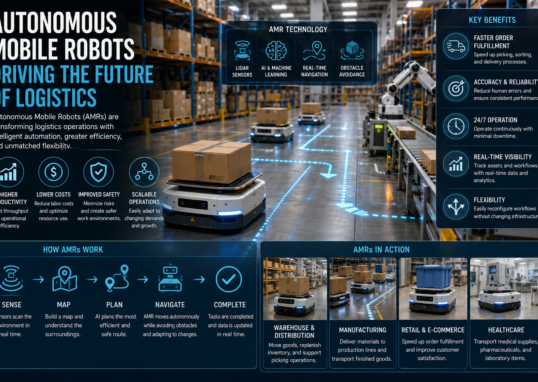
Autonomous Mobile Robots Driving the Future of Logistics
- 0
- 1,458 word
Autonomous Mobile Robots Driving the Future of Logistics – The logistics industry is experiencing a major technological transformation. As global commerce expands and...
Read out all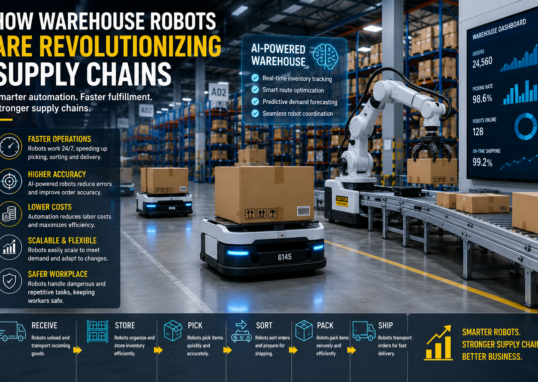
How Warehouse Robots Are Revolutionizing Supply Chains
- 0
- 1,256 word
How Warehouse Robots Are Revolutionizing Supply Chains – The global supply chain industry is undergoing a major transformation driven by automation, artificial...
Read out all