
- 0
- 1,121 word
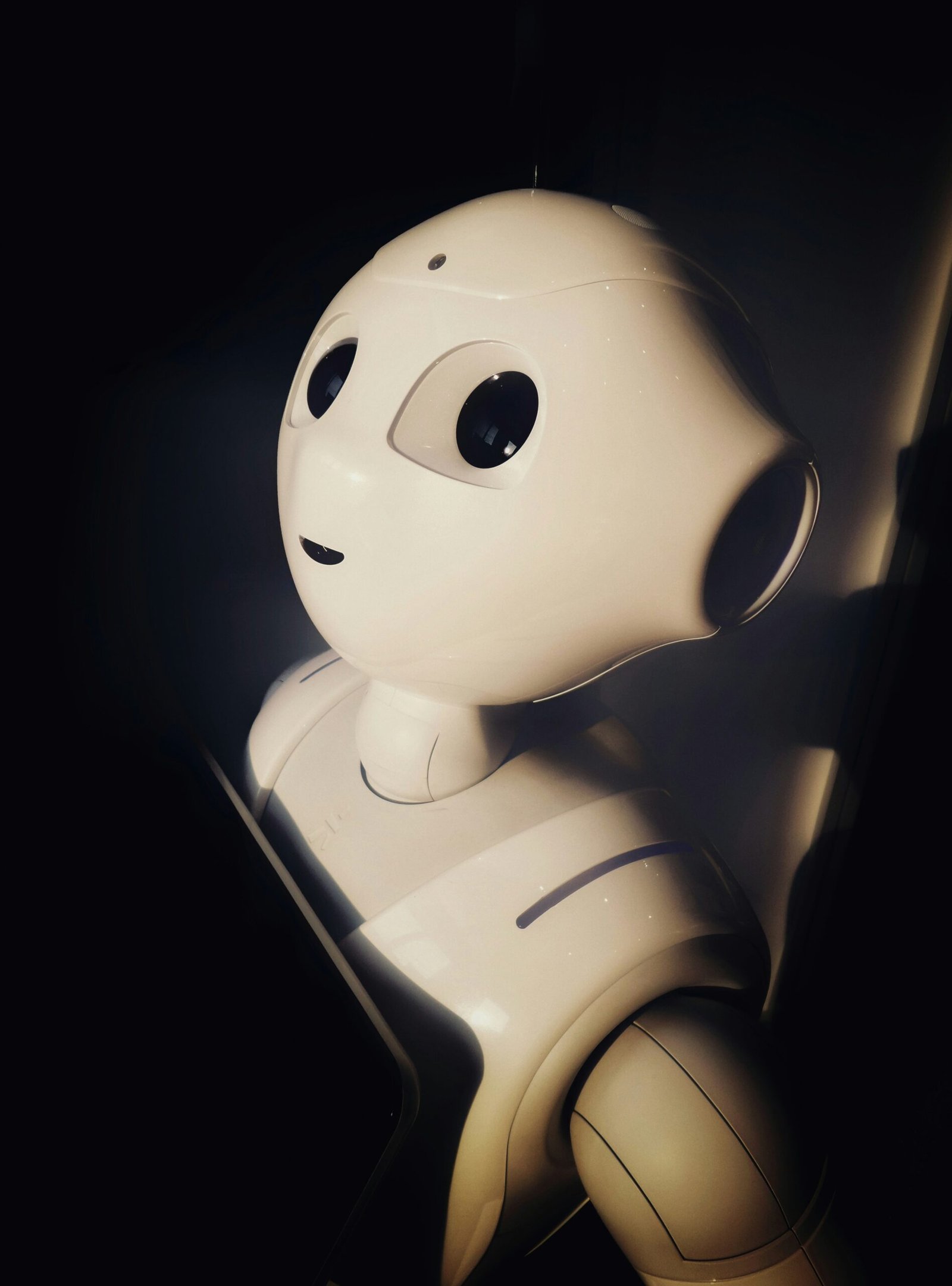
How Humanoid Robots Are Reshaping Industries Worldwide – Humanoid robots are sophisticated machines designed to emulate the human form and behavior, featuring a range of articulated limbs, sensory systems, and advanced artificial intelligence. Unlike traditional robots, which are typically engineered for specific tasks such as assembly line work or robotic vacuuming, humanoid robots are created with a focus on mimicking the physical and cognitive capabilities of humans. This distinction allows them to navigate more complex environments and engage with humans more intuitively.
Key features of humanoid robots include their bipedal locomotion, articulated joints, and the ability to perform a variety of manual tasks. These robots are equipped with sensors that enable them to perceive their surroundings, engaging social interaction through facial expressions, voice recognition, and even empathy simulations. The versatility exhibited by humanoid robots makes them applicable in diverse sectors, from healthcare and education to customer service and entertainment.
A fundamental difference between humanoid robots and traditional robots lies in their design philosophy. Traditional robots are often designed with functionality in mind, focusing solely on efficiency and effectiveness in their assigned tasks. In contrast, humanoid robots prioritize adaptability and interaction capabilities, thus promoting their use in environments where collaboration with human beings is essential. As technology advances, the line between humanoid and traditional robots is becoming increasingly blurred, yet the uniqueness of human-like robots remains a driving force behind their adoption in various industries.
In recent years, the significance of humanoid robots has surged, reflecting their potential to reshape industries worldwide. As they become more integrated into our daily lives, understanding their key attributes and functionalities will illuminate their growing role and impact across multiple sectors.
Impact on Manufacturing and Automation
Humanoid robots are increasingly becoming a vital part of the manufacturing sector, fundamentally transforming traditional production processes. These robots are designed to perform complex tasks that were once solely the responsibility of human workers. In recent years, companies have integrated humanoid robots into assembly lines, leading to significant improvements in efficiency and productivity. For instance, Bosch and FANUC have developed humanoid robots that work alongside humans to assemble intricate components, enhancing speed without compromising quality.
The ability of humanoid robots to learn and adapt makes them indispensable for quality control processes as well. By utilizing advanced sensors and machine learning algorithms, these robots can identify defects on assembly lines faster and more accurately than human workers. This capability not only boosts the reliability of the production process but also greatly reduces waste, ensuring that manufacturing becomes more sustainable over time.
Moreover, the inclusion of humanoid robots in manufacturing reduces labor costs significantly. These robots can operate continuously without the need for breaks, holidays, or sick leave, which translates to lower operational expenses. Companies can allocate human resources to more strategic roles, thereby enhancing overall workforce efficiency. However, this shift also raises concerns about potential workforce displacement. As factories increasingly adopt automation through humanoid robots, there exists a growing fear among workers regarding job security.
While the integration of humanoid robots presents clear benefits, such as increased precision and efficiency, it is essential for industries to address the associated challenges. By fostering a collaborative environment where humans and robots work together, companies can successfully navigate the transition while ensuring that they maximize productivity, maintain quality, and safeguard worker interests. The future of manufacturing will undoubtedly be shaped by the role of humanoid robots, facilitating innovation and redefining operational standards.
Revolutionizing Service Industries
The emergence of humanoid robots is significantly impacting various sectors within the service industries, notably hospitality, healthcare, and customer service. As technology continues to evolve, these advanced machines are not only enhancing operational productivity but also improving customer interaction and satisfaction. In hospitality, for instance, humanoid robots are increasingly employed in hotels to manage tasks like check-in, guest inquiries, and room service delivery. By providing 24/7 assistance, these robots contribute to a seamless guest experience and allow human staff to focus on more complex customer needs.
In the healthcare sector, humanoid robots are being utilized for elderly care, performing tasks such as medication reminders, appointment scheduling, and even basic companionship. These robots can operate independently while offering an emotional connection to the elderly, thereby reducing feelings of loneliness. This has particular advantages in environments where human resources are stretched thin, ensuring that elderly individuals receive the attention and care they require while promoting their well-being.
Furthermore, in customer service roles, humanoid robots are utilized for information dissemination and assistance in retail environments. They can provide instant information on product availability, assist with purchasing decisions, and facilitate payment processes, thereby reducing wait times and enhancing overall customer satisfaction. The integration of humanoid robots in these various capacities not only streamlines service delivery but also raises essential questions regarding ethics. As these robots become commonplace in sensitive environments like healthcare, the implications of their use, including privacy concerns and the potential for job displacement, warrant thoughtful consideration.
Future Trends and Challenges
The landscape of humanoid robots is undergoing a transformative evolution, driven by rapid advancements in artificial intelligence, machine learning, and robotics. These technologies are anticipated to introduce significant improvements in the capabilities and functionalities of humanoid robots, enabling them to perform increasingly complex tasks across various sectors. The integration of advanced sensors and enhanced cognitive abilities will allow these machines to interact with humans more intuitively, thus broadening their applications in healthcare, service industries, and even entertainment.
Market growth is another notable aspect, as the global demand for humanoid robots continues to rise. According to industry reports, the market is expected to expand significantly over the coming years, propelled by increasing investments in robotic research and development. Companies are recognizing the potential of humanoid robots to improve operational efficiency and augment human capabilities, especially in environments that entail repetitive or hazardous tasks. This trend hints at a future where robots could play an instrumental role in addressing labor shortages in key sectors, such as manufacturing and elderly care.
However, the integration of humanoid robots into society is fraught with ethical and societal challenges. One of the primary concerns is job displacement, where the introduction of robots could result in significant unemployment among workers whose roles can be automated. This phenomenon raises questions about the future of work, necessitating discussions around reskilling and job transition strategies.
Furthermore, the widespread use of humanoid robots brings up privacy issues, particularly in contexts where data collection and surveillance may occur. Ensuring the responsible use of these technologies will require robust regulations that address these challenges.Thus, as industries look to adopt humanoid robots, it is crucial to consider these factors and work towards a future that harmonizes technological advancement with societal needs and ethical considerations.
This content is sponsored by https://www.ez96live.com/.
Author

96livemarketing@gmail.com
Related Posts
How Digital Twin Robotics Is Improving Real World Automation
- 0
- 1,591 word
How Digital Twin Robotics Is Improving Real World Automation – The rapid advancement of robotics and artificial intelligence is transforming industries around the...
Read out all
Robot Learning and the Next Generation of Intelligent Machines
- 0
- 1,597 word
Robot Learning and the Next Generation of Intelligent Machines – Robotics has evolved dramatically over the past few decades. Early robots were designed...
Read out all
How Surgical Robots Are Transforming Modern Healthcare
- 0
- 1,495 word
How Surgical Robots Are Transforming Modern Healthcare – Healthcare has experienced remarkable technological advancements over the past few decades, and one of...
Read out all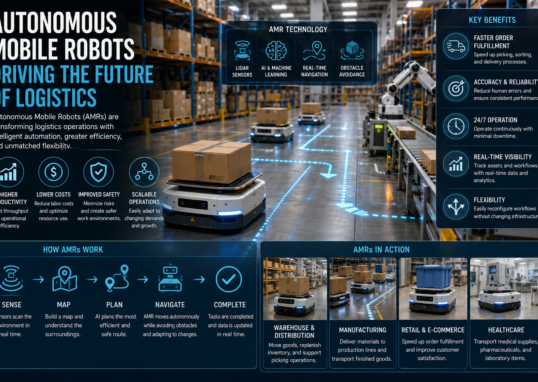
Autonomous Mobile Robots Driving the Future of Logistics
- 0
- 1,458 word
Autonomous Mobile Robots Driving the Future of Logistics – The logistics industry is experiencing a major technological transformation. As global commerce expands and...
Read out all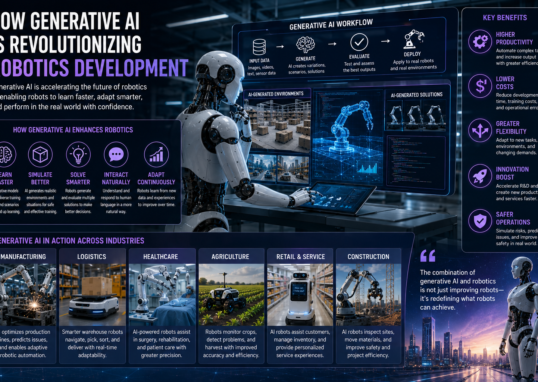
Generative AI for Robotics and the Future of Intelligent Machines
- 0
- 1,425 word
How Generative AI Is Revolutionizing Robotics Development – Artificial intelligence has already transformed countless industries, but one of the most exciting developments...
Read out all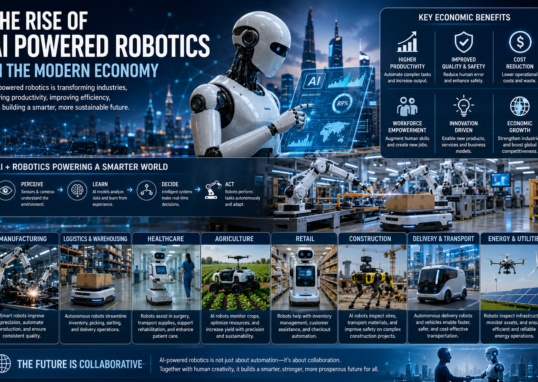
The Rise of AI Powered Robotics in the Modern Economy
- 0
- 1,510 word
The Rise of AI Powered Robotics in the Modern Economy – Artificial intelligence and robotics are two of the most transformative technologies of...
Read out all