

- 0
- 2,698 words
body { font-family: ‘Segoe UI’, Tahoma, Geneva, Verdana, sans-serif; line-height: 1.6; color: #333; max-width: 800px; margin: 20px auto; padding: 0 20px; }
h1, h2, h3 { color: #2c3e50; }
h1 { font-size: 2.5em; text-align: center; margin-bottom: 30px; }
h2 { font-size: 1.8em; border-bottom: 2px solid #e0e0e0; padding-bottom: 10px; margin-top: 40px; }
h3 { font-size: 1.4em; color: #34495e; margin-top: 30px; }
p { margin-bottom: 15px; }
ul { list-style-type: disc; margin-left: 20px; margin-bottom: 15px; }
ol { margin-left: 20px; margin-bottom: 15px; }
li { margin-bottom: 8px; }
strong { color: #2980b9; }
em { color: #e74c3c; }
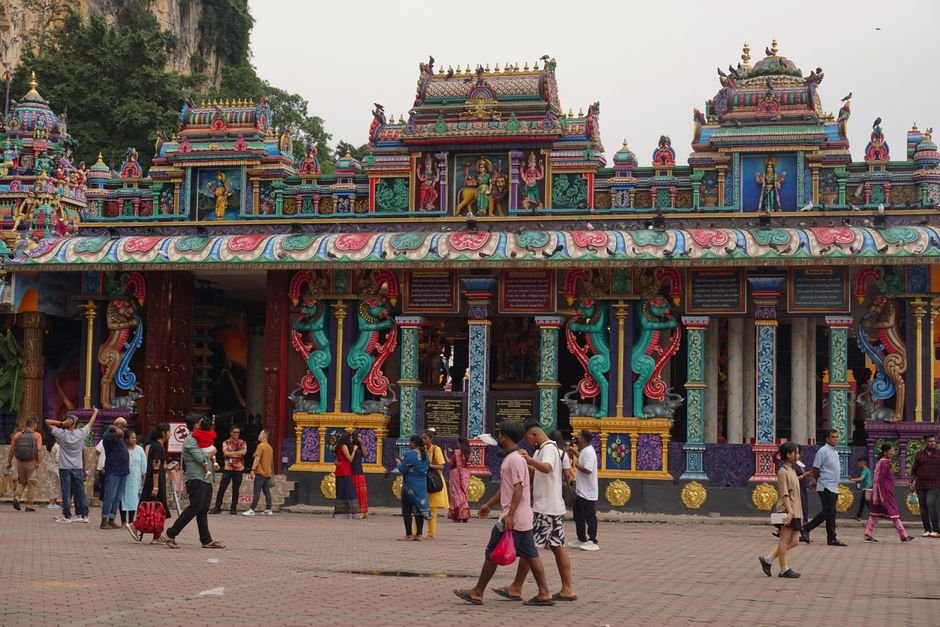
Your temple is a sacred space, a sanctuary for worship, community gathering, and spiritual solace. Protecting it from misuse, especially for illicit activities like drug use, is crucial to maintain its sanctity, ensure the safety of its devotees, and preserve its revered role in the community.
What You’ll Need
- A Dedicated Temple Committee or Management Body: A group of committed individuals willing to take responsibility.
- A Clear Understanding of the Temple’s Layout: Knowing its vulnerable spots, entry/exit points, and secluded areas.
- Strong Community Support and Volunteer Engagement: The collective strength of your devotees and neighbours is invaluable.
- Contact Information for Local Law Enforcement: Establishing a direct line of communication with police and community leaders.
- Basic Security Measures: Good lighting, sturdy locks, and potentially CCTV cameras.
- A Clear Communication Strategy: For internal and external messaging regarding safety and incidents.
- Compassion and Empathy: Understanding that some individuals involved may need help, not just punishment.
- Patience and Persistence: Safeguarding is an ongoing process, not a one-time fix.
Steps
-
Form a Dedicated Temple Security & Welfare Committee
The first and most crucial step is to establish a specialized committee focused solely on the temple’s security and the welfare of its community. This isn’t just about locks and cameras; it’s about active human vigilance. This committee should comprise diverse members: respected elders, energetic Youth, women, and individuals with organizational skills. Assign clear roles and responsibilities, such as a liaison to law enforcement, a coordinator for community watch, and someone responsible for physical security checks. This group should meet regularly to discuss potential threats, review existing measures, and plan proactive initiatives. By having a dedicated team, you ensure consistent attention to these vital matters, moving beyond reactive responses to a strategic, preventative approach that involves the whole temple family.
-
Conduct a Thorough Security Audit and Risk Assessment
Before implementing new measures, you need to understand your current vulnerabilities. Take a comprehensive walk-through of the entire temple premises, ideally during both daylight and nighttime hours. Look for dark spots, secluded corners, overgrown bushes that could provide cover, unlocked gates, broken fences, and any areas that are easily accessible after hours. Consider the layout of nearby properties and potential entry points from those areas. Document existing security features like locks, alarms, and lighting, noting their condition and effectiveness. Think about the types of illicit activities most likely to occur in your specific location – is it loitering, drug use, vandalism, or theft? Identify who the potential perpetrators might be and what their motivations could be. This detailed assessment will form the bedrock of your security plan, allowing you to prioritize and allocate resources effectively to address the most pressing risks.
-
Enhance Physical Security Measures
Based on your security audit, it’s time to bolster the physical defenses of your temple. Start with the basics: ensure all gates and doors are fitted with robust, high-quality locks. Consider replacing old, flimsy locks with modern, secure alternatives. Reinforce perimeter fencing where necessary, ensuring there are no easy breaches. Perhaps the most effective deterrent is good lighting. Install bright, motion-sensor lights in all dark or secluded areas, especially around entrances, parking lots, and the rear of the temple. These lights not only deter illicit activities but also make the area safer for legitimate visitors. If your budget allows, consider installing a CCTV surveillance system. Strategically place cameras to cover main entry points, parking areas, and any identified vulnerable spots. Ensure the cameras are high-resolution, capable of recording in low light, and that footage is regularly monitored and stored securely. Visible “CCTV in Operation” signs can also act as a deterrent. Remember, these measures are not about creating a fortress but about making your temple less appealing to those with ill intentions.
-
Establish Clear Rules and Visible Signage
Clarity is key. Clearly define and communicate the expected behavior within the temple premises. Prominently display rules prohibiting loitering, drug use, alcohol consumption, littering, vandalism, and unauthorized entry after specific hours. Use large, easy-to-read signs placed at all entrances and within key areas of the temple grounds. It’s highly beneficial to have these rules displayed in multiple languages to ensure everyone understands them, especially in diverse communities. Beyond just stating the rules, briefly explain *why* they are in place – to maintain the sanctity of the temple, ensure the safety of all devotees, and preserve a peaceful environment for worship. Include a contact number or email for reporting violations discreetly. This proactive communication sets clear boundaries and empowers community members to understand what is and isn’t acceptable, fostering a shared sense of responsibility for the temple’s well-being.
-
Foster Community Engagement and Awareness
A temple’s greatest asset is its community. Engage your devotees and local residents by raising awareness about the importance of safeguarding the temple. Organize community meetings or workshops to discuss the issue, share your security plan, and solicit feedback. Encourage vigilance without instilling fear or paranoia. Establish a confidential reporting mechanism, such as a dedicated phone number, email address, or even a suggestion box, where people can anonymously report suspicious activities without fear of reprisal. Consider forming a “Temple Watch” program, similar to a neighborhood watch, where volunteers take turns observing the premises during off-peak hours. When the entire community feels invested and informed, they become extra eyes and ears, significantly enhancing the overall security of the sacred space. Remember, a strong, unified community is the most powerful deterrent against misuse.
-
Implement Regular Patrols and Monitoring
Physical security measures are effective, but human presence adds an invaluable layer of deterrence and immediate detection. Implement a schedule for regular patrols of the temple grounds by committee members or trusted volunteers. These patrols should be conducted at varying times, especially during off-hours, evenings, and early mornings when the temple is typically empty. Train your patrol team on what to look for: suspicious individuals or groups, signs of forced entry, discarded drug paraphernalia (syringes, empty packets), unusual gatherings, or any damage to property. Emphasize that the primary goal is observation and reporting, *not* confrontation. If something suspicious is found, the protocol should be to document it (take photos from a safe distance if possible) and immediately report it to the designated committee member or local authorities, as outlined in your incident reporting protocol. Consistent, unpredictable patrols send a strong message that the temple is actively monitored.
-
Develop a Clear Incident Reporting Protocol
When an incident occurs, confusion can lead to delays and potentially compromise safety or evidence. Therefore, a clear, step-by-step incident reporting protocol is essential. This protocol should detail exactly what actions to take if misuse is suspected or confirmed. Who is the first point of contact within the temple committee? When should local police be contacted immediately (e.g., in cases of active crime or immediate danger) versus when should the committee first assess the situation? Emphasize personal safety above all else – never confront individuals alone or put yourself in harm’s way. The protocol should also cover how to safely gather initial evidence, such as taking photographs or noting descriptions, without disturbing the scene. Maintain a detailed logbook of all incidents, including dates, times, descriptions, actions taken, and outcomes. This documentation is invaluable for identifying patterns, improving security, and providing information to authorities.
-
Build Strong Relationships with Local Law Enforcement
Your local police force is a critical partner in safeguarding your temple. Don’t wait for an incident to occur; proactively build a relationship. Arrange an introductory meeting between your temple security committee and the local police precinct commander or community liaison officer. Share your concerns, your security audit findings, and your proposed safety measures. Invite them for a site visit so they can familiarize themselves with the temple’s layout and unique challenges. Understand their procedures for responding to calls from religious institutions and clarify the best way to report non-emergency and emergency situations. Establishing a direct line of communication can ensure faster response times and more effective collaboration. You can also request increased police patrols in the vicinity of the temple, especially during vulnerable hours, demonstrating a collaborative effort to maintain peace and order in your sacred space and the wider community.
-
Offer Support and Rehabilitation Pathways
While security measures are about deterrence and protection, it’s vital to remember the human element. If individuals are found misusing the temple due to issues like drug addiction, a purely punitive approach may not address the root cause. Your temple, as a spiritual institution, has a role to play in compassion and rehabilitation. Explore partnerships with local non-governmental organizations (NGOs), addiction recovery centers, social services, or religious charities that offer support to individuals struggling with addiction or homelessness. Instead of just chasing them away, you might be able to offer a pathway to help, even if it’s just providing information about available resources. This approach demonstrates the temple’s commitment to spiritual values, potentially transforming lives and preventing future incidents, rather than just displacing the problem to another location. It’s a balance between protecting the sacred space and extending a hand of mercy.
-
Conduct Regular Training and Review
Security is not a static concept; it evolves with new challenges and technologies. Regularly train your temple committee members and volunteers involved in security. This training should cover various aspects: understanding security protocols, effective incident response, basic first aid, de-escalation techniques for non-violent encounters, and even legal aspects of property management and trespass. Beyond training, schedule periodic reviews of your entire security plan and measures. This could be annually, or more frequently after any significant incidents or changes in the local environment. During these reviews, assess the effectiveness of your current measures, identify new vulnerabilities, update contact lists, and adapt your strategies to address emerging threats. Continuous learning and adaptation ensure that your temple remains resilient and protected in the long term.
-
Manage Public Relations and Communication
Should an incident occur, how your temple communicates with its devotees, the media, and the wider community is crucial. Designate a single spokesperson or a small team to handle all official communications. This ensures a consistent and controlled message, preventing misinformation and unwarranted panic. Be transparent about the steps being taken to address the situation and reassure the community about their safety and the temple’s commitment to maintaining its sanctity. However, be cautious not to sensationalize events or disclose sensitive details that could compromise ongoing investigations or the privacy of individuals. Focus on conveying confidence in your security measures and the collaborative efforts with law enforcement. A well-managed communication strategy can strengthen community trust and prevent negative perceptions from taking root.
-
Seek Legal Counsel When Necessary
While many situations can be handled internally or with police assistance, some complex issues may require professional legal advice. For instance, if you’re dealing with persistent trespassers who are not responding to warnings, or if there are legal ambiguities regarding property rights, eviction procedures, or the handling of sensitive evidence, consulting with a legal professional is highly recommended. A lawyer specializing in property law or community organizations can help you understand your rights and responsibilities as property owners, ensuring that all actions taken are compliant with local laws and regulations. This proactive legal guidance can prevent costly mistakes, protect the temple from potential liabilities, and ensure that all measures are implemented on solid legal ground.
Tips and Common Mistakes
Tips for Success:
- Start Small, Implement Gradually: You don’t need to overhaul everything at once. Prioritize the most critical vulnerabilities.
- Focus on Prevention First: Deterrence is often more effective and less costly than reacting to an incident.
- Involve the Youth: Engage younger members; they bring fresh perspectives and energy, and are the future custodians of the temple.
- Use Technology Wisely: CCTV and communication apps can be powerful tools, but they require proper setup and monitoring.
- Maintain a Welcoming Atmosphere: Security shouldn’t make the temple feel unwelcoming. Balance safety with openness.
- Regular Maintenance: Ensure all security equipment (lights, cameras, locks) is regularly checked and maintained.
- Document Everything: Keep detailed records of incidents, patrols, and committee meetings.
- Be Patient and Persistent: Safeguarding is an ongoing effort that requires continuous attention and adaptation.
Common Mistakes to Avoid:
- Ignoring Early Warning Signs: Small issues can escalate if not addressed promptly.
- Over-Reliance on a Single Security Measure: A multi-layered approach is always best.
- Lack of Clear Communication: Within the committee, with devotees, and with authorities.
- Confronting Suspicious Individuals Alone: Always prioritize personal safety and involve authorities.
- Failing to Report Incidents Promptly: Delays can hinder investigations and allow problems to fester.
- Neglecting Maintenance: A broken lock or unlit area is an open invitation for misuse.
- Assuming “It Won’t Happen Here”: Complacency is a security risk.
- Lack of Follow-Through: Implementing measures is one thing; ensuring they are sustained is another.
- Alienating Potential Helpers: Ensure your approach encourages community participation, not discouragement.
Final Thoughts
Your temple is more than just a building; it’s a living heart of your community, a place where generations connect with their faith and culture. Safeguarding it from misuse and illicit activities is a collective responsibility that requires vigilance, dedication, and compassion. By following these steps, you empower your community to protect this sacred space, ensuring it remains a beacon of peace, spirituality, and safety for all who seek solace within its walls. It’s an ongoing journey, but with a committed community, your temple will continue to thrive as a sanctuary for generations to come.
Frequently Asked Questions
What immediate actions should a temple committee prioritize to enhance security and prevent misuse?
The first crucial step for a temple committee is to establish a specialized Temple Security & Welfare Committee. This committee should comprise diverse members, including elders, youth, and women, with assigned roles for law enforcement liaison, community watch coordination, and physical security checks. Regular meetings are essential to discuss potential threats and maintain active human vigilance, ensuring comprehensive protection beyond just physical measures.
What practical security measures are recommended to deter illicit activities within temple premises?
To deter illicit activities, temples should implement basic physical security measures. This includes ensuring good lighting across the premises, installing sturdy locks on all access points, and considering the use of CCTV cameras in vulnerable or secluded areas. Additionally, understanding the temple's layout, including entry/exit points and potential hiding spots, is crucial for effective placement of these measures and for identifying areas that require extra vigilance.
How does the article suggest temple management should balance security with compassion when addressing individuals involved in illicit activities?
The article emphasizes the importance of balancing robust security with compassion and empathy. While safeguarding the temple's sanctity and devotee safety is paramount, management should understand that individuals involved in illicit activities, such as drug use, may require help rather than solely punishment. Establishing a clear communication strategy for incidents and maintaining contact with local law enforcement can facilitate appropriate interventions that address both security concerns and the welfare needs of those involved.
Author

96livemarketing@gmail.com
Related Posts
#SHOWBIZ: ‘It was so scary’: Sally Yeh, 65, saved from stage fall in Chongqing – NST Online
- 0
- 2,659 words
⏱12 min readOn this pageWhat You’ll NeedSteps to Ensure Stage Safety and Prevent Falls1. Conduct a Thorough Venue Inspection and Risk Assessment2....
Read out all
Where to Watch: YONEX French Open 2026 – BWF World Tour
- 0
- 2,052 words
⏱9 min readOn this pageWhat you’ll needSteps1. Understand the YONEX French Open’s Place in the BWF World Tour2. Identify Official BWF Broadcast...
Read out all
Luminous object lights up Brunei’s evening sky – The Star
- 0
- 3,076 words
⏱15 min readOn this pageWhat You’ll NeedSteps1. Prepare for Observation and Familiarize Yourself with the Night Sky2. Initial Sighting and Quick Assessment3....
Read out all
Snake, rattled, rolls away: reptile’s 9mph dash to escape predators – The Times
- 0
- 2,653 words
⏱12 min readOn this pageWhat You’ll NeedSteps to Understanding Snake Escape Strategies1. Understand the Basics of Snake Movement and Speed2. Identify Common...
Read out all
Tan-Thinaah capture Denmark Open crown, end 18-year wait – Malaysiakini
- 0
- 2,463 words
⏱10 min readOn this pageWhat You’ll NeedSteps1. Relive the Moment: Watch the Match Highlights and Full Match2. Understand Their Journey: Research Tan-Thinaah’s...
Read out all
Johor schools, educational institutions to reman closed for 5 more days – CNA
- 0
- 2,245 words
⏱10 min readOn this pageWhat You’ll NeedSteps1. Stay Informed and Calm2. Establish a Routine (But Be Flexible!)3. Set Up a Dedicated Learning...
Read out all