
- 0
- 2,653 words
body { font-family: ‘Segoe UI’, Tahoma, Geneva, Verdana, sans-serif; line-height: 1.6; color: #333; max-width: 900px; margin: 20px auto; padding: 0 20px; background-color: #f9f9f9; }
h1 { color: #2c3e50; text-align: center; margin-top: 40px; font-size: 2.5em; }
h2 { color: #34495e; border-bottom: 2px solid #ccc; padding-bottom: 10px; margin-top: 30px; font-size: 1.8em; }
h3 { color: #2980b9; margin-top: 25px; font-size: 1.3em; }
p { margin-bottom: 15px; }
ul { list-style-type: disc; margin-left: 20px; margin-bottom: 15px; }
ol { margin-left: 20px; margin-bottom: 15px; }
strong { color: #e74c3c; }
em { font-style: italic; }
.intro, .final-thoughts { background-color: #ecf0f1; padding: 20px; border-left: 5px solid #3498db; margin-bottom: 25px; }
.tips-mistakes { background-color: #fcf3cf; padding: 20px; border-left: 5px solid #f39c12; margin-bottom: 25px; }
Ever wondered how a snake, seemingly so vulnerable without limbs, manages to evade danger with surprising speed and cleverness? This guide will walk you through the fascinating world of reptile escape tactics, helping you appreciate the intricate survival skills of these often-misunderstood creatures.
What You’ll Need
To truly appreciate and understand snake escape behaviors, you’ll need a combination of tools and a respectful mindset. Remember, the goal is observation and learning, not interaction or disturbance.
- Patience and Keen Observation Skills: Wildlife observation requires time and a sharp eye. Snakes are masters of camouflage and stillness, so patience is paramount.
- Respect for Wildlife and Their Space: Always maintain a safe, respectful distance. Never attempt to approach, corner, or provoke a snake. Their escape strategies are for their survival, and your presence should not become an additional threat.
- Binoculars (Optional but Recommended): These allow you to get a “closer” look at details like movement patterns, scale textures, and specific behaviors without encroaching on the snake’s personal space.
- Field Guide to Local Snake Species (Optional but Recommended): Knowing the common snake species in your area, whether they are venomous or non-venomous, and their typical behaviors will greatly enhance your understanding and safety.
- Notebook and Pen (Optional): Jotting down observations – what you saw, where, when, and how the snake reacted – can help you identify patterns and deepen your learning.
- Internet Access for Research: Before and after your observations, delve into online resources to learn about specific species, their habitats, predators, and documented escape tactics.
- A Safe, Natural Environment: This could be a hiking trail, a nature reserve, or even your own backyard if it’s a suitable habitat. Always be aware of your surroundings, stick to marked paths, and never venture into areas where you might inadvertently disturb wildlife or put yourself at risk.
- Appropriate Footwear and Clothing: When observing in natural habitats, wear closed-toe shoes and long pants to protect yourself from potential bites (from insects or snakes, though the latter is rare if you’re respectful) and scratches.
Steps to Understanding Snake Escape Strategies
Embark on this journey of discovery by following these detailed steps, designed to enhance your appreciation for the remarkable survival instincts of snakes.
-
1. Understand the Basics of Snake Movement and Speed
Before you can appreciate a snake’s escape, you need to grasp how they move. Snakes employ several distinct types of locomotion, each adapted for different terrains and speeds. The most common is serpentine (or lateral undulation), where the snake moves in an S-shape, pushing off irregularities in the ground. This is often the fastest mode for open terrain. Rectilinear movement involves the snake moving in a straight line, using its belly scales to grip and pull itself forward, often seen in large, heavy-bodied snakes. Sidewinding is specialized for loose, sandy terrain, where the snake throws loops of its body forward at an angle, minimizing contact with the hot sand. Lastly, concertina movement involves coiling and extending, ideal for climbing or moving through tight spaces.
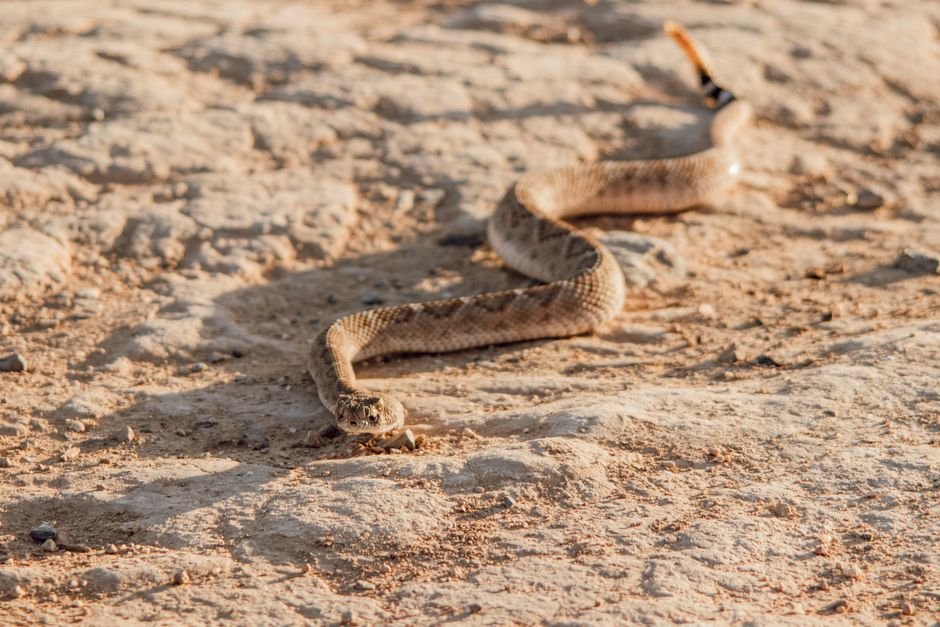
Crucially, snakes exhibit impressive burst speed when threatened. While their sustained speed isn’t high, they can achieve short, rapid dashes to create distance. The Times article highlights some species reaching up to 9 mph, which is an extraordinary feat for a legless creature. This initial burst is vital for escaping the immediate grasp of a predator. Factors influencing this speed include the snake’s species (e.g., a black mamba is notoriously fast), its size, the ambient temperature (snakes are ectothermic and perform better when warm), and the terrain. Observing which locomotion type a snake uses during an escape can tell you a lot about its environment and the immediate threat it perceives.
-
2. Identify Common Predator Threats
A snake’s escape strategy is often a direct response to the specific predator it Faces. To understand the “why” behind their actions, it’s helpful to know who their common adversaries are. Birds of prey like hawks and eagles are significant aerial threats, often prompting snakes to seek dense ground cover. Mammals such as foxes, badgers, mongooses, and even domestic cats or dogs can be ground-based predators, requiring a rapid dash and concealment. Larger snakes, like king snakes, are also predators of smaller snakes, leading to different evasion tactics. Humans, unfortunately, are also a significant threat, often causing snakes to flee out of fear or aggression.
Consider how different predators necessitate different escape responses. A bird of prey demands a quick dive into thick vegetation or under a rock. A fast-moving mammal might require a longer, more sustained dash to put distance between itself and the threat. Understanding the predator-prey dynamic helps you interpret the snake’s behavior. For instance, a snake might coil and strike at a ground predator if escape isn’t immediately possible, but it would almost certainly flee from an aerial threat. This dynamic interplay between predator and prey has shaped the evolution of these sophisticated escape mechanisms.
-
3. Recognize the Initial Warning Signs and Defensive Postures
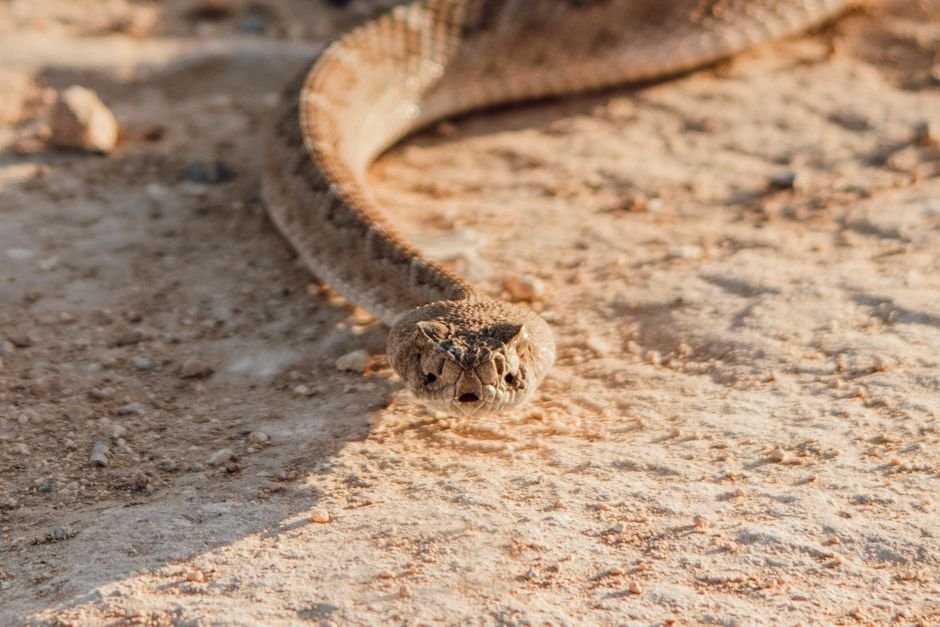
Snakes rarely go straight to escape without first attempting to deter a potential threat. These initial warning signs are crucial to observe, as they indicate the snake feels threatened but hasn’t yet committed to flight. Common displays include hissing, which is a forceful exhalation of air, often accompanied by a puffed-up body to appear larger. Rattlesnakes famously use their tail rattle to produce a distinctive buzzing sound, signaling their presence and warning. Other snakes might coil into a striking posture, flattening their head or body to appear more formidable, or even mock strike without biting.
It’s vital to distinguish between these defensive displays and an actual escape attempt. A snake displaying these behaviors is giving you a clear signal to back off. They are trying to avoid confrontation and preserve their energy. For example, a hognose snake might flatten its neck like a cobra, hissing loudly, as a bluff. If these warnings are ignored or the threat persists, the snake’s next course of action will likely be to flee. By understanding these precursors, you gain insight into the snake’s decision-making process: first deter, then escape if deterrence fails.
-
4. Observe the Immediate Escape Maneuver
This is where the “dash” comes into play. Once a snake decides to flee, its actions are swift and purposeful. The immediate escape maneuver involves a rapid burst of speed, often in an unpredictable, zigzagging pattern, to throw off a pursuing predator. The snake will typically choose a direction that leads to immediate cover – dense vegetation, a rock crevice, a burrow, or even water. They instinctively know where the nearest safe haven is. This is known as the “flight distance” – the proximity a predator must reach before the snake initiates its escape.
Pay attention to how the snake utilizes the terrain during its dash. Does it disappear into a tangle of roots? Does it slide under a leaf litter? Does it dive into a pond? The choice of escape route is not random; it’s a calculated (albeit instinctive) decision based on the snake’s environment and its knowledge of potential hiding spots. A snake’s ability to navigate complex environments at high speed is truly remarkable, showcasing their incredible agility and proprioception (awareness of body position). The goal isn’t just to move fast, but to move effectively towards sanctuary, making it difficult for the predator to follow or maintain visual contact.
-
5. Understand the Role of Camouflage and Hiding
The dash is only the first part of a successful escape; disappearing is the crucial follow-up. Once the initial burst of speed has created distance, the snake relies heavily on camouflage to blend into its surroundings. Their skin patterns and colors are often perfectly adapted to their habitat – stripes for tall grass, blotches for rocky terrain, or uniform green for arboreal life. After finding cover, a snake will typically remain absolutely still, becoming virtually invisible to a predator scanning the area. This “freezing” behavior is a highly effective way to avoid detection, as many predators rely on movement to spot their prey.
Observe how quickly a snake can vanish into its environment. A brown snake on dry leaves can become indistinguishable within seconds. A green snake in foliage might seem to melt into the leaves. They might tuck themselves under a rock, burrow into loose soil, or even submerge themselves in water, leaving only their nostrils exposed. This combination of rapid movement followed by complete stillness and masterful camouflage is a cornerstone of their survival strategy. It highlights how natural selection has fine-tuned not just their speed, but also their ability to become one with their environment after the initial flight.
-
6. Appreciate Deceptive Tactics and Mimicry
Beyond simply fleeing and hiding, some snakes employ fascinating deceptive tactics to throw off predators. One of the most famous is thanatosis, or playing dead, a behavior perfected by hognose snakes. When threatened, they might writhe dramatically, flip onto their back, open their mouth, and even emit foul-smelling musk or defecate, making themselves appear utterly unappetizing and dead. Predators often lose interest in carrion, allowing the snake to “resurrect” and slither away once the coast is clear.
Another clever tactic is tail luring or mimicry. Some species, particularly juvenile snakes, have brightly colored tails that they can wiggle to mimic a worm or another small prey item. This diverts a predator’s attention away from the snake’s head, allowing the snake to strike defensively or escape while the predator attacks the less vital tail. Some snakes also produce foul-smelling musks from glands at the base of their tail when threatened. These pungent secretions are designed to deter predators, making the snake an unpleasant meal. These advanced behaviors demonstrate a complex array of defensive strategies that go far beyond simple flight.
-
7. Research Species-Specific Escape Behaviors
It’s crucial to remember that not all snakes behave the same way. Their escape strategies are highly dependent on their species, habitat, and whether they possess venom. For instance, an arboreal (tree-dwelling) snake might drop from a branch and slither away on the ground, or simply freeze and blend into the foliage. An aquatic snake, when threatened, will almost certainly dive into the water, using its swimming prowess to escape. Terrestrial snakes, as discussed, will dash for ground cover.
The presence or absence of venom also plays a role. Highly venomous snakes, while often preferring to escape, may be more inclined to stand their ground, coil, and strike defensively if cornered, as their potent venom offers a formidable last resort. Non-venomous snakes, lacking such a potent defense, might rely more heavily on speed, camouflage, or deceptive tactics like playing dead. Researching the specific behaviors of local snake species will provide you with invaluable context for your observations, allowing you to predict and understand their reactions more accurately. This deeper understanding fosters not just knowledge, but also a profound respect for the diversity of life and survival strategies in the natural world.
Tips and Common Mistakes
To ensure a safe and productive learning experience, keep these tips in mind and avoid common pitfalls:
Tips:
- Always Maintain a Safe Distance: This is the golden rule. Give snakes ample space to feel secure and prevent them from perceiving you as a threat.
- Observe from Afar; Do Not Disturb: Use binoculars and patience. Never try to touch, pick up, or corner a snake.
- Learn About Local Species: Before heading out, familiarize yourself with the snakes native to your region. Know which are venomous and what their typical behaviors are.
- Be Patient: Wildlife observation is a waiting game. You might not see an escape maneuver on your first outing, or even your fifth. Enjoy the quiet of nature regardless.
- Record Your Observations: Notes, sketches, or even mental records can help you process and remember what you’ve learned.
- Consider a Guided Nature Walk: If available, joining an experienced naturalist can provide invaluable insights and safety guidance.
- Stay on Marked Trails: This minimizes your impact on the environment and reduces your chances of an accidental encounter.
Common Mistakes:
- Approaching Too Closely: This stresses the animal and can provoke a defensive reaction.
- Trying to Provoke a Reaction: Never poke, prod, or harass a snake. This is dangerous for both you and the animal.
- Mistaking Defensive Behavior for Aggression: A snake’s hiss or strike is almost always defensive, a warning to back off, not an act of aggression.
- Generalizing All Snake Behavior: Remember, each species, and even individual snakes, can have unique behaviors. Avoid assuming all snakes will act the same way.
- Underestimating a Snake’s Speed or Reach: Even seemingly slow snakes can move with surprising speed when threatened, and their strike range can be further than you expect.
- Not Being Aware of Your Surroundings: Always WATCH where you step, especially in tall grass, rocky areas, or near logs where snakes might be resting or hiding.
Final Thoughts
Understanding a snake’s escape strategies offers a profound window into the intelligence and adaptability of these often-misunderstood reptiles. Their ability to sense danger, react with incredible speed, employ sophisticated camouflage, and even use deceptive tactics is a testament to the power of natural selection.
By taking the time to observe and learn, you not only enhance your knowledge of the natural world but also cultivate a deeper respect for all its inhabitants. Remember to always prioritize safety and the well-being of the wildlife you encounter. Continue your learning journey, and you’ll find that the more you understand about snakes, the more you’ll appreciate their vital role in our ecosystems and their remarkable will to survive.
Frequently Asked Questions
Why are tools like binoculars and field guides suggested for observing snakes?
Binoculars allow for detailed observation of a snake's movements and features from a safe distance, preventing disturbance. A field guide helps identify local species, understand their typical behaviors, and distinguish between venomous and non-venomous snakes, enhancing both learning and safety during observation.
What are some fundamental aspects of a snake's escape strategies?
Snakes primarily rely on a combination of surprising speed and clever tactics to evade predators. While the article highlights a "9mph dash," their strategies also involve camouflage, stillness to avoid detection, and sometimes specific defensive behaviors. The goal is always to quickly move away from danger or blend into their environment.
How important is maintaining distance and respect when observing snakes in the wild?
Maintaining a safe and respectful distance is paramount for both your safety and the snake's well-being. Approaching or provoking a snake can trigger its defensive escape mechanisms, potentially leading to an unwanted encounter. The article emphasizes that your presence should never become an additional threat, making observation from afar essential for responsible wildlife study.
Author

96livemarketing@gmail.com
Related Posts

Tan-Thinaah capture Denmark Open crown, end 18-year wait – Malaysiakini
- 0
- 2,463 words
⏱10 min readOn this pageWhat You’ll NeedSteps1. Relive the Moment: Watch the Match Highlights and Full Match2. Understand Their Journey: Research Tan-Thinaah’s...
Read out all
Johor schools, educational institutions to reman closed for 5 more days – CNA
- 0
- 2,245 words
⏱10 min readOn this pageWhat You’ll NeedSteps1. Stay Informed and Calm2. Establish a Routine (But Be Flexible!)3. Set Up a Dedicated Learning...
Read out all
Pearly–Thinaah break new ground in Denmark – NST Online
- 0
- 2,189 words
⏱9 min readOn this pageWhat You’ll NeedSteps to Achieve Breakthrough Success1. Define Your “Breakthrough” with Crystal Clarity2. Forge an Unbreakable Partnership (or...
Read out all
Sze Fei-Izzuddin through to Denmark Open quarter-finals – Free Malaysia Today
- 0
- 2,743 words
⏱12 min readOn this pageWhat You’ll NeedSteps1. Understand the Badminton World Federation (BWF) Structure2. Identify Key Information Sources3. Decipher Tournament Draws and...
Read out all
F1 Singapore Grand Prix: Max Verstappen wins at Marina Bay Street Circuit for first time – Yahoo Sports
- 0
- 2,469 words
⏱11 min readOn this pageWhat You’ll NeedSteps to AppreciationStep 1: Understand the Marina Bay Street Circuit’s Unique ChallengeStep 2: Grasp the Significance...
Read out all
Petronas boosts payments to Malaysia as oil prices surge – Free Malaysia Today
- 0
- 2,191 words
⏱10 min readOn this pageWhat you’ll needSteps1. Start with the Fundamentals: Who is Petronas and What Do They Do?2. Deciphering the Payment...
Read out all