
- 0
- 1,972 word
body { font-family: Arial, sans-serif; line-height: 1.6; color: #333; max-width: 900px; margin: 20px auto; padding: 0 20px; }
h1, h2, h3 { color: #2c3e50; }
h1 { font-size: 2.5em; margin-bottom: 20px; }
h2 { font-size: 1.8em; margin-top: 30px; border-bottom: 2px solid #eee; padding-bottom: 5px; }
h3 { font-size: 1.3em; margin-top: 25px; color: #3498db; }
p { margin-bottom: 15px; }
ul { list-style-type: disc; margin-left: 20px; margin-bottom: 15px; }
ol { margin-left: 20px; margin-bottom: 15px; }
li { margin-bottom: 8px; }
strong { font-weight: bold; }
em { font-style: italic; }
Mpox symptoms are changing, and health authorities, including in Thailand, are urging everyone to stay alert and informed. Understanding these evolving symptoms and taking proactive steps is key to protecting yourself, your loved ones, and your wider community.
What You’ll Need
- Reliable internet access (for up-to-date information from official sources).
- Soap and clean running water, or an alcohol-based hand sanitizer.
- A full-length mirror and good lighting (for self-inspection).
- A thermometer to check for fever.
- Contact information for your local healthcare provider or public health authority.
- A calm, informed, and proactive mindset.
Steps
-
Understand Mpox: The Evolving Picture
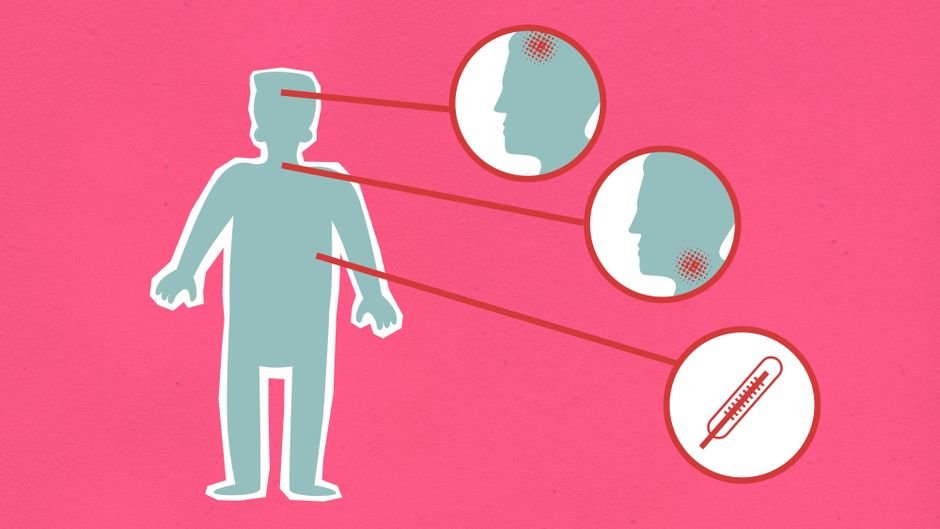
Mpox, previously known as monkeypox, has traditionally been associated with flu-like symptoms (fever, headache, muscle aches, swollen lymph nodes) followed by a widespread rash that progresses through several stages. However, recent observations, particularly in the current global outbreak, show that symptoms can be much more varied and subtle. You might experience localized rashes, often around the genitals or anus, with fewer lesions, and sometimes without the preceding flu-like illness. These atypical presentations can easily be mistaken for common sexually transmitted infections (STIs) or other skin conditions. The incubation period can range from 5 to 21 days, meaning symptoms may not appear immediately after exposure. Being aware of this broader spectrum of symptoms is your first and most critical line of defense.
-
Prioritize Smart Personal Hygiene
Good hygiene is a fundamental barrier against many infectious diseases, including mpox. Make frequent and thorough handwashing with soap and water for at least 20 seconds a cornerstone of your daily routine, especially after using the restroom, before eating, and after being in public spaces. If soap and water aren’t readily available, use an alcohol-based hand sanitizer containing at least 60% alcohol. Beyond hand hygiene, make a conscious effort to Avoid touching your face – particularly your eyes, nose, and mouth – with unwashed hands. Regularly clean and disinfect frequently touched surfaces in your home and workplace, such as doorknobs, light switches, and electronic devices. These simple actions significantly reduce the risk of transmission.
-
Exercise Caution in Close Contact Situations
Mpox primarily spreads through close, personal, often skin-to-skin contact, including intimate physical contact (e.g., sexual contact, hugging, kissing) and prolonged face-to-face contact. It can also spread through contact with contaminated materials like bedding, towels, or clothing used by an infected person. Be mindful of the health status of individuals you engage in close contact with. If you are sexually active, discuss recent health concerns with your partners. While mpox is not exclusively a sexually transmitted infection, sexual contact is a common mode of transmission. Avoid sharing personal items such as towels, bedding, clothing, and eating utensils with anyone who may be ill or has suspicious lesions. In crowded settings, while the risk is generally lower than direct skin contact, maintaining personal space and hygiene remains prudent.
-
Regularly Inspect Your Body for Atypical Lesions
Given the evolving nature of mpox symptoms, regular self-examination of your body is crucial. Pay close attention to areas that might not be immediately visible, such as the genitals, perianal region, mouth, hands, and feet, but also check your torso and limbs. What you’re looking for are new or unexplained bumps, pimple-like spots, blisters, sores, or ulcers. These lesions might start as small red bumps and can evolve into fluid-filled blisters before scabbing over. Importantly, they may not always be painful or itchy, especially in their early stages, and there might only be a few of them. If you notice any suspicious changes, particularly if they are new or unexplained, consider them a potential symptom and act accordingly. Early detection can prevent further spread and allow for prompt medical intervention.
-
Know When and How to Seek Medical Advice
If you develop any suspicious rash or other symptoms consistent with mpox (even if mild or atypical), or if you have had close contact with a confirmed mpox case, it’s vital to seek medical attention promptly. However, do not just show up at a clinic or emergency room without prior notice. Always call ahead to your doctor’s office, clinic, or local health department before visiting. Explain your symptoms, your concerns about mpox, and any potential exposures. This allows healthcare providers to prepare for your arrival, take necessary precautions to prevent potential spread to others in the waiting room, and guide you on the best course of action for testing and care. Timely consultation is key to accurate diagnosis and effective management.
-
Communicate Clearly with Healthcare Providers
When you consult with a healthcare professional, be honest and provide as much detail as possible about your symptoms, recent travel history, and any close contacts you’ve had. This includes being open about recent intimate contact, especially with new or multiple partners, as this information is crucial for an accurate diagnosis and appropriate testing. Healthcare providers are there to help, and sharing complete information ensures they can make the best clinical decisions for you. Don’t hesitate to ask questions about testing procedures, potential treatments, isolation guidelines, and how to protect others. Clear communication is a two-way street that empowers both you and your medical team.
-
Understand and Implement Isolation Protocols
If you are diagnosed with mpox or are strongly suspected of having it, self-isolation is a critical step to prevent further transmission. This means staying home and avoiding contact with other people and pets. If you must be around others in your household, wear a mask and keep lesions covered. Use separate bedding, towels, and eating utensils, and wash them separately. Regularly clean and disinfect frequently touched surfaces in your living space. Follow specific guidance from your health authority on the duration of isolation; generally, you should isolate until all lesions have healed, all scabs have fallen off, and a fresh layer of skin has formed underneath. Adhering to these protocols protects your community and helps curb the spread of the virus.
-
Responsibly Inform Close Contacts
If you are diagnosed with mpox, public health officials will likely initiate contact tracing to identify and notify individuals who may have been exposed. However, you also have a role to play. Consider discreetly and responsibly informing your close contacts, especially intimate partners, about your diagnosis. Advise them to monitor themselves for symptoms for 21 days from their last exposure to you and to seek medical advice if they develop any concerns. Emphasize discretion and avoid stigmatization; the goal is to protect public health, not to assign blame. Providing accurate information to your contacts allows them to take proactive steps for their own health and prevent further spread.
-
Stay Reliably Informed and Dispel Misinformation
In an era of rapid information flow, it’s easy to encounter misinformation. To stay genuinely vigilant, commit to sourcing your information from official and reputable health organizations. This includes the World Health Organization (WHO), national health ministries (like Thailand’s Department of Disease Control), and national public health agencies (such as the CDC). These bodies provide accurate, evidence-based updates on mpox symptoms, transmission, prevention, and vaccination. Be wary of social media rumors, anecdotal stories, or unverified news. Understanding the facts helps reduce unnecessary anxiety, empowers you to take effective action, and prevents the spread of harmful falsehoods.
-
Consider Vaccination if Eligible and Available
Vaccines against mpox, such as JYNNEOS (also known as Imvanex or Imvamune), are available in many countries and can be a powerful tool for prevention. Eligibility criteria typically prioritize individuals at higher risk of exposure, including close contacts of confirmed cases, certain healthcare workers, and men who have sex with men with multiple partners or recent STI diagnoses. If you fall into one of these high-risk categories or believe you may be eligible, check with your local health authorities in Thailand or your region for information on vaccine availability and specific criteria. While vaccination offers significant protection, it’s important to remember that it’s just one part of a comprehensive prevention strategy; continued vigilance and adherence to other preventative measures remain essential.
Tips and Common Mistakes
- Tip: Maintain Open Communication: Have candid conversations with your sexual partners about recent health concerns and any potential exposures.
- Tip: Research Travel Health Advisories: If you’re traveling internationally, check the mpox situation and local health guidelines for your destination.
- Tip: Remember Mpox Affects Everyone: Mpox can affect anyone, regardless of sexual orientation, gender, or social group. Avoid stigmatization.
- Mistake: Self-Diagnosing: Don’t assume a suspicious rash is “just” an insect bite, allergy, or a common STI without professional medical consultation.
- Mistake: Delaying Care: Postponing seeking medical attention due to embarrassment, fear, or hoping symptoms will just disappear can worsen outcomes and increase spread.
- Mistake: Relying on Unverified Information: Believing myths or unproven remedies from non-official sources can be dangerous and counterproductive.
- Mistake: Omitting Information from Providers: Failing to disclose full symptom details, travel history, or contact history to your doctor can lead to misdiagnosis.
- Mistake: Not Completing Isolation: Ending isolation prematurely, even if you feel better, before all lesions are fully healed, risks further transmission.
Final Thoughts
The evolving nature of mpox symptoms calls for heightened awareness and proactive measures from all of us. By understanding the varied ways mpox can present, practicing diligent hygiene, being mindful in close contact situations, and knowing when and how to seek medical advice, you play a crucial role in protecting yourself and the wider community. Remember, staying informed from reliable sources and acting responsibly are your best defenses against this evolving health challenge. Your vigilance contributes to a healthier, safer environment for everyone.
Frequently Asked Questions
How have mpox symptoms evolved, and why is this important to know?
Mpox symptoms have shifted from the traditional flu-like illness followed by a widespread rash to more varied and subtle presentations. Individuals might now experience localized rashes, often around the genitals or anus, with fewer lesions, and sometimes without any preceding flu-like symptoms. This evolution is crucial because these atypical presentations can easily be mistaken for common sexually transmitted infections or other skin conditions, making early diagnosis more challenging.
What practical steps can individuals take to protect themselves against mpox?
To protect yourself, it's essential to understand the evolving symptom picture, including localized rashes and the potential absence of flu-like symptoms. Prioritize smart personal hygiene, such as frequent and thorough handwashing with soap and water for at least 20 seconds. Additionally, regularly self-inspect for any unusual rashes or lesions using a full-length mirror and good lighting, and have a thermometer ready to check for fever.
How long is the incubation period for mpox, and what does this imply for monitoring symptoms?
The incubation period for mpox can range from 5 to 21 days. This extended period implies that symptoms may not appear immediately after exposure to the virus. Therefore, even if you've had a potential exposure and don't feel sick right away, it's important to remain vigilant for several weeks and continuously monitor for any developing symptoms, seeking up-to-date information from health authorities.
Author

96livemarketing@gmail.com
Related Posts

Football: Soccer-Lacklustre Man City felled by Forest as title challenge stutters – The Star
- 0
- 959 words
⏱5 min readOn this pageWhat You’ll NeedSteps1. Understand the Pre-Match Context and Stakes2. Watch the Match (or Comprehensive Highlights)3. Analyze Key Match...
Read out all
Daiso’s largest global distribution centre on Pulau Indah a vote of confidence in Malaysia, says Anwar – Malay Mail
- 0
- 89 words
⏱1 min read How to Understand & Benefit from Major Logistics Investments in Malaysia body { font-family: Arial, sans-serif; line-height: 1.6; color:...
Read out all
Badminton: Pang Ron-Pei Jing march into Korean Open quarter-finals – The Star
- 0
- 2,804 words
⏱12 min readOn this pageWhat You’ll NeedSteps1. Understand the Fundamentals of Doubles Play2. Choose Your Partner Wisely and Build Chemistry3. Master Core...
Read out all
Court of appeal acquits celebrity preacher Da’i Syed of rape charge – The Star
- 0
- 2,969 words
⏱14 min readOn this pageWhat You’ll NeedStepsStep 1: Grasp the Basics of the Legal SystemStep 2: Differentiate Between Guilt and Legal GuiltStep...
Read out all
Home Ministry: Putrajaya open to RCI on ‘corporate mafia’ claims if solid grounds established – Malay Mail
- 0
- 335 words
⏱1 min read How to Help Establish Grounds for an RCI on Corporate Mafia Claims body { font-family: ‘Segoe UI’, Tahoma, Geneva,...
Read out all
Halle Berry loses custody battle over 13YO son but beats restraining order – The Star
- 0
- 2,745 words
⏱12 min readOn this pageWhat You’ll NeedStepsRead the Headline Critically and Identify Key ElementsIdentify the Core Legal Issues at PlayDistinguish the Parties...
Read out all