
- 0
- 2,569 words
Introduction to Artificial Intelligence
Artificial Intelligence (AI) refers to the simulation of human intelligence in machines that are programmed to think and learn like humans. This domain encompasses a variety of techniques, such as machine learning, natural language processing, and robotics, which interactively enable a system to learn from data and improve over time. The concept of AI has evolved significantly since its inception, and understanding its historical context can provide insights into its current state and future potential.
The history of artificial intelligence dates back to the mid-20th century, beginning with pioneering work by scientists such as Alan Turing and John McCarthy. Turing, in particular, introduced the Turing Test as a criterion for determining whether a machine can exhibit intelligent behavior indistinguishable from a human. In the decades that followed, researchers developed increasingly sophisticated algorithms that served as the building blocks for the AI systems we see today.
Initially, AI consisted of primarily rule-based systems that relied on pre-defined logical operations. However, as computational power advanced and data availability increased, the landscape of AI transformed dramatically. We saw the advent of machine learning, where algorithms are designed to learn from data patterns and make predictions without being explicitly programmed for specific tasks. This evolutionary trajectory further advanced with the introduction of deep learning, a subset of machine learning that employs complex neural networks to analyze large volumes of data, enabling breakthroughs in image recognition, speech processing, and more.
The current trends in artificial intelligence showcase a promising future with vast applications across various sectors, including healthcare, finance, and transportation. As this technology continues to evolve, it faces numerous challenges that require attention, including ethical considerations and data privacy concerns. The exploration of these themes forms the foundation of our discussion, providing a comprehensive overview of the future landscape of artificial intelligence.
Evolution of AI Technologies
The evolution of Artificial Intelligence (AI) technologies has seen remarkable advancements over the past several decades, culminating in innovative applications across various sectors. The journey began in the 1950s with the development of expert systems, which utilized hand-coded rules to mimic human decision-making capabilities within specific domains. These early AI systems laid the foundational concepts for more complex forms of machine intelligence, albeit with limitations in terms of adaptability and learning.
The emergence of machine learning in the 1980s marked a significant turning point. Through algorithms capable of processing vast datasets, machines began to improve their performance autonomously, identifying patterns and making predictions without explicit programming. This advancement facilitated new applications in fields like finance and healthcare, where predictive analytics and risk management became increasingly prevalent.
Progress continued with the introduction of deep learning, a subset of machine learning that utilizes neural networks to model complex data representations. This technology gained substantial traction in the early 2010s and led to breakthroughs in image and speech recognition, significantly impacting industries such as autonomous vehicles and consumer technology. The ability to recognize speech and text has spurred the growth of intelligent virtual assistants, making them commonplace in everyday life.
Natural Language Processing (NLP) emerged as another critical area of development, enabling machines to interpret and respond to human language more effectively. Advances in NLP have resulted in sophisticated applications like chatbots and translation services, enhancing communication and customer service in various sectors.
Throughout the years, the narrative surrounding AI development has evolved from simplistic rule-based systems to complex, self-learning architectures. This trajectory not only highlights the technological milestones but also underscores AI’s transformative impact on how we interact with technology in our daily lives.
Practical Applications of AI
Artificial Intelligence (AI) has transcended the realm of theory into practical usage across various industries, providing measurable advancements and efficiencies. One prominent sector benefiting from AI is healthcare. In particular, AI algorithms have been integrated into diagnostic imaging to further enhance precision in identifying diseases. For instance, an AI tool developed by Zebra Medical Vision analyzes medical scans to detect anomalies, thereby aiding radiologists in making quicker and more accurate diagnoses.
In the financial sector, AI plays a crucial role in risk assessment and fraud detection. Machine learning models are employed by financial institutions, such as JPMorgan Chase, to evaluate customer transactions for fraudulent activities, significantly reducing the likelihood of financial loss. Moreover, robo-advisors, which leverage AI to provide personalized investment advice, have democratized financial planning, making it accessible to more individuals.
Transportation is another industry witnessing a revolution due to AI technologies. Autonomous vehicles, powered by sophisticated algorithms, are being developed and tested by companies like Tesla and Waymo. These vehicles utilize AI-driven sensors and cameras to interpret their environment, thereby enhancing safety and reducing the likelihood of human error. Such advancements highlight the transformational potential of AI in improving not only efficiency but also overall user experience in transportation.
Lastly, in the realm of entertainment, AI is enhancing content creation and user experiences. Streaming services, including Netflix, utilize AI algorithms to analyze viewing patterns and preferences, which informs their recommendation systems. This allows platforms to deliver tailored content to their audience, fostering increased viewer engagement and satisfaction.
These case studies exemplify the diverse applications of AI and underscore its capacity to provide tangible benefits across various industries. By embracing these technologies, companies are not only increasing operational efficiency but also opening new avenues for innovation and growth.
Advantages of AI Implementation
The integration of Artificial Intelligence (AI) into various sectors has proven to yield substantial advantages for both businesses and consumers. One of the most significant benefits is the increase in efficiency. AI systems can process and analyze vast amounts of data at speeds unattainable by human workers. This capability allows companies to automate repetitive tasks, thereby freeing up employees to focus on more strategic and creative aspects of their work, resulting in enhanced overall productivity.
Another critical benefit lies in enhanced data analysis. AI technologies can uncover patterns and insights from data sets far more effectively than human analysts can. For businesses, this translates into more accurate forecasting and improved decision-making processes. Furthermore, AI can facilitate real-time analytics, enabling organizations to respond quickly to changes in market conditions, consumer preferences, or operational performance.
Cost reduction is also an essential advantage of AI implementation. By automating routine tasks and streamlining operations, companies can significantly lower their operational costs. AI can reduce the likelihood of human error, leading to fewer costly mistakes. As a result, organizations gain a competitive edge by reallocating resources toward innovation and growth, rather than focusing on correcting errors or inefficiencies.
For consumers, the application of AI enhances experiences through personalized services. AI algorithms analyze user preferences and behaviors to offer tailored recommendations, whether in retail, entertainment, or service industries. This improved customer experience not only fosters loyalty but also influences purchasing decisions, ultimately driving sales growth for businesses.
In summary, the advantages of AI implementation extend beyond mere technological improvements. The implications for efficiency, data analysis, and cost savings offer vast potential for transforming both business models and consumer experiences. As these technologies evolve, the benefits are likely to become even more pronounced, reshaping industries globally.
Challenges and Disadvantages of AI
Artificial Intelligence (AI) has become an integral part of modern technology, promising improved efficiency and unprecedented advancements across various sectors. However, the adoption of AI is not without its challenges and potential drawbacks. One significant concern is job displacement. As AI and automation systems take over certain tasks, especially in manual labor and repetitive jobs, there is an increasing fear that many workers will face unemployment or the necessity to transition to more skilled positions. This shift can exacerbate socioeconomic disparities and create unrest in the labor market.
Another pressing issue is the ethical concerns surrounding AI. The implementation of AI technologies raises questions regarding accountability, transparency, and decision-making processes. For instance, as AI systems become more autonomous, it becomes challenging to determine who is responsible for their actions—be it the developers, users, or the AI itself. Furthermore, the deployment of AI can result in unintended consequences, especially in sensitive areas like healthcare and criminal justice, where an error could lead to severe outcomes.
Additionally, biases in algorithms pose significant risks. AI systems learn from existing data, which may reflect historical prejudices or inequalities. Thus, without careful oversight, AI can perpetuate or even exacerbate these biases, leading to discriminatory practices in hiring, lending, and other critical areas. Ensuring fairness and equity in AI applications requires ongoing diligence and the cultivation of diverse datasets.
Lastly, the environmental impact of AI systems cannot be overlooked. The computational power required for AI training and models often results in high energy consumption and carbon emissions, contributing to global climate change. Balancing AI advancements with sustainable practices will be crucial for future development.
Implementation Challenges in AI Adoption
The integration of Artificial Intelligence (AI) into organizational operations presents numerous implementation challenges that can hinder successful adoption. One of the primary hurdles is the quality and availability of data. AI systems rely heavily on high-quality, relevant datasets to learn and make predictions. In many cases, organizations struggle with data silos, inconsistencies, or incomplete data, which can adversely affect AI model performance. Ensuring that data is accurately collected, stored, and maintained is crucial for optimizing AI capabilities.
Additionally, the lack of technical expertise poses a significant barrier to AI adoption. Many organizations find it challenging to recruit personnel with the necessary skills in machine learning, data analytics, and AI system management. This skills gap can lead to delays in implementation and a lack of confidence in utilizing AI technologies effectively. Organizations may combat this issue by investing in training and development programs to upskill their current employees or by collaborating with external experts or consultants.
Furthermore, resistance to change among employees can create obstacles in the implementation process. Individuals may fear job displacement or may feel overwhelmed by new technologies, leading to pushback against AI initiatives. To address this challenge, it is essential for organizations to foster a culture of innovation and openness to change. Engaging employees in the AI adoption process through training sessions, workshops, and clear communication about the benefits of AI can help mitigate resistance.
By proactively addressing these challenges—data quality, technical expertise, and resistance to change—organizations can streamline their AI implementation efforts. Strategies such as enhancing data management practices, investing in workforce development, and promoting a supportive environment can contribute to the successful integration of AI technologies into everyday operations.
Security Concerns in AI Development
The rapid advancement of artificial intelligence (AI) technologies has led to a growing awareness of the respective security implications. Among the key concerns are data privacy risks, adversarial attacks, and the rise of deepfake technology. As AI systems often rely on vast amounts of personal data for machine learning, the potential for misuse of this information poses significant threats to individual privacy. It is crucial that organizations implementing AI maintain stringent data governance policies to protect sensitive information from unauthorized access or exploitation.
Moreover, adversarial attacks represent a unique challenge within AI security. These attacks involve manipulating input data to deceive models, which can lead to incorrect outputs. For instance, by introducing subtle alterations into images or text, malicious actors can cause AI systems to misinterpret data and produce harmful results. This vulnerability necessitates the development of robust defenses and proactive strategies to bolster the resilience of AI algorithms against potential attacks, ensuring their reliability and safety.
Deepfakes are another area of concern, as they make it increasingly difficult to differentiate between real and fabricated content. The implications of deepfakes extend beyond mere misinformation; they can undermine trust in media and institutions, potentially leading to disastrous consequences. Organizations must implement verification processes and tools to combat the spread of deepfakes and develop education programs aimed at enhancing public awareness about this growing threat.
In conclusion, the security implications of AI technology are multifaceted, posing serious risks to both organizations and individuals. As the field continues to evolve, it is vital that stakeholders invest in establishing effective security measures to mitigate these threats, ensuring the safe and ethical advancement of artificial intelligence.
Industry Adoption and Future Directions
Artificial Intelligence (AI) has started to occupy a significant role across various sectors, notably transforming industries from healthcare to finance, and manufacturing to entertainment. As businesses strive for optimization and efficiency, the integration of AI technologies has become a pivotal factor. In the healthcare sector, for instance, AI applications are enhancing diagnostic accuracy and personalizing treatment plans, thereby significantly improving outcomes. Moreover, the finance industry is leveraging AI for fraud detection, risk management, and algorithmic trading, providing a competitive edge in rapidly changing markets.
In manufacturing, AI-driven automation is revolutionizing production lines, fostering greater efficiency and reducing operational costs. Predictive maintenance powered by AI algorithms is enabling companies to foresee equipment failures, thus optimizing maintenance schedules. Meanwhile, the entertainment industry is witnessing an upsurge in AI usage to create personalized content, streamline production processes, and enhance consumer experiences through tailored recommendations.
Experts predict that the seamless integration of AI across industries will continue to evolve, propelled by advancements in machine learning and data analytics. A study conducted by the McKinsey Global Institute forecasts that AI could contribute an additional $13 trillion to global economic activity by 2030. This projection highlights how AI can redefine business models and create unprecedented opportunities for growth.
However, the future of AI adoption is not without its challenges. Ethical concerns surrounding privacy, security, and the potential job displacement due to automation loom large. Moreover, the need for robust regulatory frameworks to govern AI technology is becoming increasingly urgent. Research indicates that organizations that effectively navigate these challenges and embrace ethical AI principles will position themselves favorably in the marketplace.
Actionable Recommendations for Stakeholders
As artificial intelligence (AI) continues to evolve, it is essential for businesses, policymakers, and individuals to engage with this technology with a strategic and informed approach. This section outlines practical advice for stakeholders seeking to implement AI in their operations, while also addressing ethical considerations that should not be overlooked.
For businesses, the first step is to identify clear objectives for AI integration. Organizations should evaluate their current processes and determine specific areas where AI can add value, such as improving efficiency, enhancing customer experience, or fostering innovation. Furthermore, it is crucial to invest in the right talent, as having skilled professionals who understand AI technologies is vital for successful implementation.
Understanding the ethical implications of AI is equally important. Stakeholders should adopt guidelines and frameworks that promote fairness, transparency, and accountability in AI systems. This includes conducting regular audits of AI algorithms to prevent biases and ensuring that data privacy is prioritized. Businesses should also consider the societal impact of their AI applications, seeking ways to contribute positively to the community.
Policymakers play a pivotal role in shaping the landscape of AI technology. It is recommended that they collaborate with industry experts to develop regulations that foster innovation while ensuring public safety. Staying abreast of ongoing AI advancements is essential; this can be achieved through continuous education, attending relevant conferences, and participating in professional networks.
For individuals, fostering a basic understanding of AI can empower informed decision-making and engagement with this technology. Additionally, individuals should advocate for ethical practices in AI by supporting organizations that prioritize responsible AI deployment.
By embracing these actionable recommendations, stakeholders can harness the potential of artificial intelligence effectively while navigating the associated challenges responsibly.
This Information Sponsored Free By: https://www.ez96live.com/
Author

96livemarketing@gmail.com
Related Posts
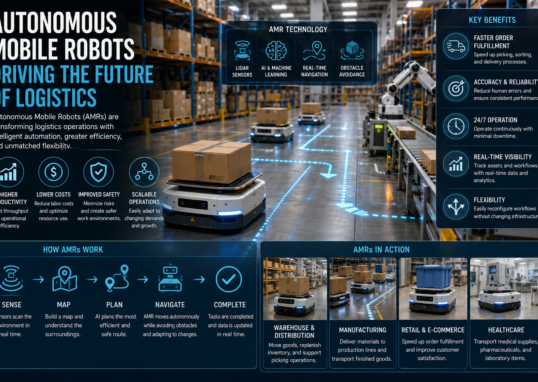
Autonomous Mobile Robots Driving the Future of Logistics
- 0
- 1,458 word
Autonomous Mobile Robots Driving the Future of Logistics – The logistics industry is experiencing a major technological transformation. As global commerce expands and...
Read out all
Home Robots in 2026: Smarter Living Every Day
- 0
- 1,233 word
Home Robots in 2026: Smarter Living Every Day – As we move into 2026, the landscape of domestic life is being reshaped...
Read out allThe Future of Computing: How Photonic Technology is Set to Revolutionize Beyond Silicon Chips
- 0
- 1,141 word
Understanding Photonic Computing Photonic computing is an innovative approach that leverages the unique properties of light to carry out computations, marking a...
Read out all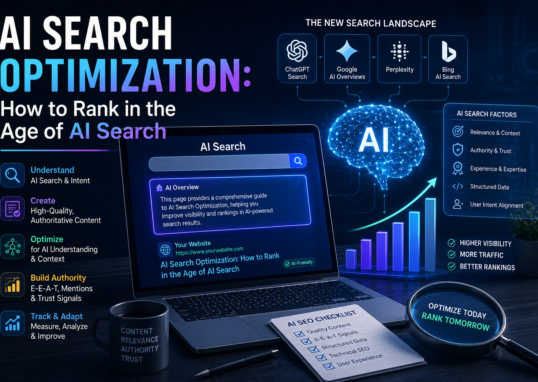
AI Search Optimization: How to Rank in the Age of AI Search
- 0
- 1,191 word
AI Search Optimization: How to Rank in the Age of AI Search – The landscape of search engines is undergoing a significant...
Read out all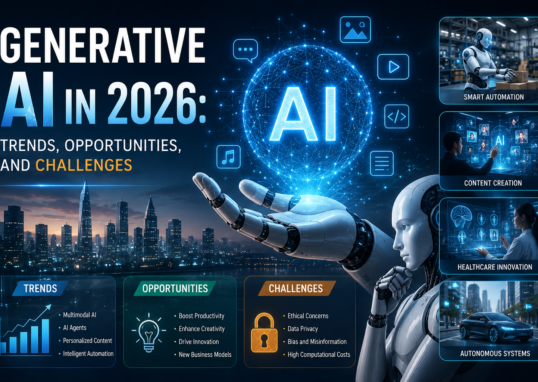
Generative AI in 2026: Trends, Opportunities, and Challenges
- 0
- 1,197 word
Generative AI in 2026: Trends, Opportunities, and Challenges – As we look towards 2026, the landscape of generative artificial intelligence (AI) is...
Read out allThe Quantum Leap: Exploring the Rapid Advancement of Quantum Computing in 2026
- 0
- 1,163 word
Understanding Quantum Computing: The Basics Quantum computing represents a significant shift in how we approach computations, leveraging the principles of quantum mechanics...
Read out all