
- 0
- 2,498 words
This guide will show you how to perform acts of kindness while prioritizing safety and responsibility. Our aim is to ensure your good intentions lead to genuinely positive outcomes for everyone involved, avoiding unintended harm or tragic consequences.
What you’ll need
Embarking on an act of kindness might seem spontaneous, but approaching it thoughtfully requires a few essential considerations and tools:
- Genuine Empathy and Good Intentions: The foundation of any act of kindness is a sincere desire to help without expecting anything in return.
- Situational Awareness: An ability to quickly assess your surroundings, the needs of the individual, and potential risks.
- Clear Communication Skills: The capacity to express your intentions clearly, respectfully, and to listen actively to the other person.
- Basic Safety Knowledge: Understanding fundamental principles of personal safety, road safety, and first aid.
- A Reliable Vehicle (if transport is considered): Ensuring your car is well-maintained, insured, and suitable for the journey.
- Emergency Contacts and a Basic Plan: Knowing who to call and what to do if an unexpected situation arises.
- Respect for Privacy and Consent: Especially crucial if you’re an influencer or content creator.
- Patience and Flexibility: Things Don't always go as planned, and adapting is key.
- Cultural Sensitivity: An open mind and a willingness to understand local customs and norms.
Steps
-
1. Assess the Situation and Your Capabilities
Before you offer help, take a moment to understand the context. Is the person truly in need? What kind of help do they seem to require? More importantly, honestly evaluate what you can realistically and safely offer. Sometimes, the best help isn’t direct intervention but connecting someone with appropriate local services. For instance, if you encounter someone struggling with heavy bags, offering to carry them might be straightforward. However, if you meet someone in a remote area who needs transport, the situation immediately becomes more complex. Don’t rush into a commitment you can’t safely fulfill or that might put either of you at risk. Your assessment should also include your own energy levels, time constraints, and any potential language barriers. A quick, thoughtful evaluation can prevent well-meaning actions from going awry.
-
2. Prioritize Safety Above All Else
This is the golden rule for any act of kindness involving strangers, particularly those that extend beyond a quick, public interaction. Your safety, the safety of the person you’re helping, and the safety of anyone else involved (like your team or family members) must be the absolute top priority. This means being aware of your surroundings, avoiding isolated areas, and never putting yourself or others in a vulnerable position. If an act of kindness requires you to enter an unfamiliar environment or transport someone, consider bringing a friend or colleague along. Always trust your gut feeling; if something feels off, it probably is. No act of kindness is worth risking harm. Remember that safety protocols should be dynamic, adapting to the specific circumstances of each interaction.
-
3. Communicate Clearly and Respectfully
Effective communication is vital. Approach the individual calmly and introduce yourself. Clearly explain your intentions and what kind of help you’re offering. For example, instead of just saying “Can I help?”, you might say, “I noticed you seem to be having trouble, and I’d like to offer [specific help, e.g., a ride to the nearest town/some food]. Would that be helpful?” Listen attentively to their response. Respect their decision if they decline your offer. Ensure they understand what you’re proposing, especially if there's a language barrier, and confirm their consent for any assistance, particularly if it involves personal interaction or transportation. This respectful dialogue builds trust and ensures that your help is genuinely wanted and appropriate.
-
4. Consider Alternatives to Direct Physical Interaction (Especially Transport)
While offering a ride might seem like the most direct way to help someone stranded, it often carries the highest risk. Before offering your vehicle, consider safer alternatives. Can you call a taxi or a local ride-sharing service for them? Can you provide funds for public transport? Is there a local community service or non-profit that offers transport in such situations? Perhaps you can contact a local relative or friend of the individual who could pick them up. If the person needs food or supplies, can you purchase them from a nearby store and deliver them, rather than inviting them into your personal space? Exploring these options first can significantly reduce potential risks for all parties involved, while still achieving the goal of providing assistance.

-
5. If Transport is Necessary, Implement Strict Safety Protocols
If, after careful consideration, offering transport is deemed the only or best option, it’s imperative to establish rigorous safety protocols. Firstly, ensure your vehicle is in excellent condition, well-maintained, and properly insured for all passengers. Before departure, confirm the driver is well-rested and sober. Communicate the intended route and estimated travel time to a trusted friend or family member, or even share your live location. If possible, have another person from your team or a trusted companion accompany you. Avoid isolated routes and stick to well-lit, public roads. During the journey, maintain focus on driving, avoid distractions, and ensure all passengers are wearing seatbelts. If you are an influencer, avoid filming or engaging with your phone while driving, as this significantly increases risk. Know local traffic laws and respect them, especially in unfamiliar rural areas where road conditions can be unpredictable. This level of diligence can make a critical difference.
-
6. Understand Local Context and Cultural Nuances
Especially when performing acts of kindness in unfamiliar or rural areas, it’s crucial to be aware of local customs, social norms, and community dynamics. What might be perceived as helpful in one culture could be misunderstood or even offensive in another. Research the area beforehand if possible, or observe and ask questions respectfully. For example, in some cultures, direct offers of money might be seen differently than an offer of a meal or practical assistance. Understand the local infrastructure; are there reliable public services? Are certain areas considered unsafe? Being culturally sensitive and informed helps ensure your kindness is received in the spirit it’s intended and avoids inadvertent missteps that could cause discomfort or even put someone in a difficult social position.
-
7. Be Mindful of Power Dynamics and Vulnerability
When you’re in a position of relative advantage (e.g., an influencer with resources, or simply someone with a vehicle offering help to someone stranded), there’s an inherent power dynamic. Be acutely aware of this. Ensure your act of kindness is genuinely empowering and not disempowering, patronizing, or creating undue obligation. Vulnerable individuals, such as the elderly, those in remote areas, or those facing hardship, might feel pressured to accept help even if they have reservations. Reassure them that it’s okay to decline, and that your offer comes with no strings attached. Focus on providing immediate, respectful assistance without making the recipient feel indebted or exposed. The goal is to uplift, not to create a spectacle or dependency.
-
8. Document Responsibly (If You’re an Influencer)
For influencers and content creators, the desire to document acts of kindness is often strong, aiming to inspire others or showcase positive impact. However, this must be done with the utmost responsibility and ethical consideration. Firstly, obtain explicit, informed consent from the individual for any filming, photography, or sharing of their story. Explain clearly how the content will be used and where it will be published. Protect their privacy by blurring faces or anonymizing details if requested. Focus on the impact of the kindness, not on sensationalizing the individual’s vulnerability. Consider the long-term effects of public exposure on the person – will it bring them unwanted attention or harm? Sometimes, the kindest act is to help off-camera, allowing the moment to remain private and respectful of the individual’s dignity. If you must film, prioritize the human interaction over the perfect shot.
-
9. Have an Emergency Plan
No matter how well-intentioned or carefully planned an act of kindness, unforeseen circumstances can arise. Therefore, having a basic emergency plan is non-negotiable. Before you engage in a significant act of kindness, especially one involving travel or extended interaction, think through potential “what if” scenarios. What if there’s a medical emergency? What if your vehicle breaks down? What if you encounter a hostile situation? Know who to call (local emergency services, a trusted friend or family member). Ensure your phone is charged and you have a backup power source. Carry a basic first-aid kit. If you’re traveling in rural areas, understand that cell service might be spotty, and plan accordingly (e.g., informing someone of your itinerary, carrying a physical map). A prepared mind can respond calmly and effectively when things go wrong.
-
10. Follow Up (Appropriately)
Some acts of kindness are one-off interactions, but others might open the door to ongoing Support. If your assistance requires follow-up, plan for it thoughtfully and sustainably. For example, if you’ve connected someone with a local resource, a polite, non-intrusive check-in a few days later might be appropriate to see if they were able to access the help. However, be cautious about creating a sense of ongoing obligation for either party. Avoid making promises you can’t keep. If long-term support is needed, consider connecting the individual with established local charities or government agencies equipped to provide sustained assistance, rather than trying to shoulder it all yourself. Your role might be to facilitate, not to become a permanent provider, ensuring help is sustainable and professional.
-
11. Reflect and Learn from Every Experience
After each act of kindness, take time to reflect on the experience. What went well? What could have been done differently or better? Were there any unexpected challenges or outcomes? This self-assessment is crucial for personal growth and for refining your approach to future acts of kindness. Did you feel safe? Did the recipient seem genuinely helped and comfortable? Did you manage to balance your good intentions with practical safety measures? Learning from both successes and challenges helps you become a more effective, responsible, and impactful giver. Every interaction offers valuable lessons that can inform and improve your ability to contribute positively to the world.
Tips and common mistakes
Tips for Success
- Start Small and Local: Begin with acts of kindness in your immediate community where you understand the context and resources better.
- Collaborate with Local Organizations: If you want to make a larger impact, partner with established charities or NGOs. They have the expertise, infrastructure, and local knowledge to deliver help safely and effectively.
- Trust Your Gut Feeling: If a situation feels unsafe or uncomfortable, it’s okay to disengage or seek help in a different way. Your safety is paramount.
- Educate Yourself on Local Resources: Knowing about local shelters, food banks, transportation services, or social welfare programs can empower you to offer more sustainable and appropriate help.
- Be Prepared for “No”: Respect if someone declines your offer of help. Kindness is about giving, not imposing.
- Maintain Transparency: Be open about your intentions, especially if you’re an influencer. Honesty builds trust.
Common Mistakes to Avoid
- Underestimating Risks: Assuming good intentions are enough to guarantee safety can lead to dangerous situations for everyone involved.
- Over-Promising or Over-Extending: Committing to more than you can safely or sustainably deliver can lead to disappointment or even harm.
- Ignoring Local Customs or Laws: What is acceptable or legal in one place might not be in another. Always be respectful of local norms and regulations.
- Prioritizing Content Over Safety/Dignity: For influencers, the drive to create engaging content should never overshadow the safety, privacy, and dignity of the individuals you’re helping.
- Failing to Communicate Clearly: Ambiguous offers or assumptions about needs can lead to misunderstandings or unmet expectations.
- Lacking an Emergency Plan: Going into an unpredictable situation without thinking about “what if” scenarios is a recipe for potential disaster.
- Creating Dependency: While helping, ensure your actions don’t inadvertently create a reliance on you, but rather empower the individual.
Final thoughts
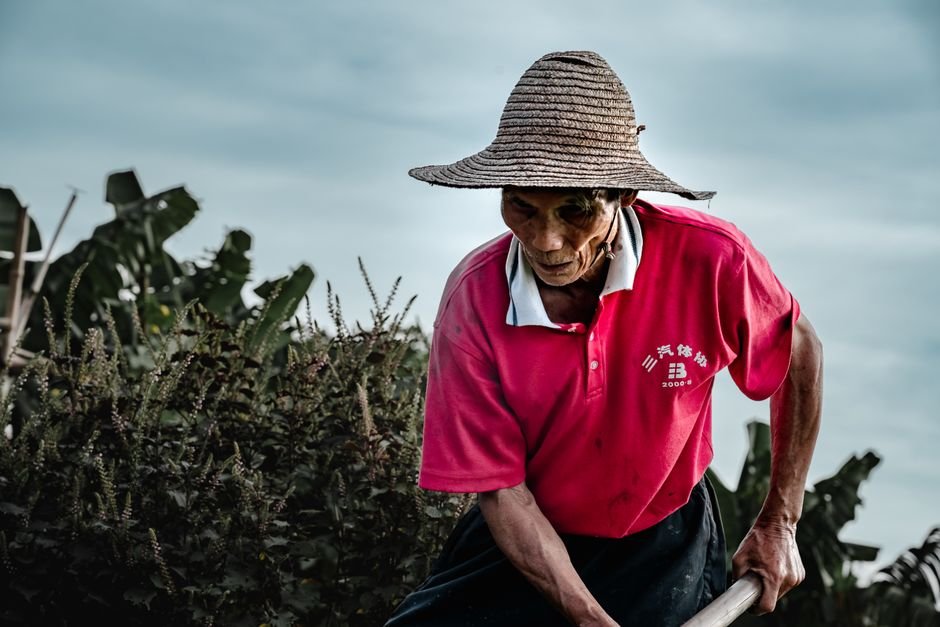
Acts of kindness are powerful, enriching, and essential for a compassionate society. They have the potential to transform lives, build connections, and inspire others. However, as the tragic incident involving the Chinese influencer and the farmer reminds us, even the purest intentions can lead to devastating unintended consequences if not coupled with careful planning, robust safety measures, and a deep sense of responsibility. Your desire to do good is commendable, but it must be tempered with prudence and foresight. By following these steps, you can ensure that your acts of kindness are not only heartfelt but also safe, respectful, and truly beneficial for everyone involved. Let your compassion guide you, but let wisdom and preparedness be your companions on the journey to making a positive difference in the world.
Frequently Asked Questions
Why is safety emphasized so heavily when performing acts of kindness?
Safety is paramount in acts of kindness to prevent good intentions from leading to unforeseen negative outcomes or even tragedies. The guide stresses that without careful assessment and preparation, well-meaning actions, especially involving strangers or complex situations like transport, can inadvertently put both the helper and the recipient at risk, undermining the very purpose of the kind act.
What should one consider before deciding to offer direct help to someone in need?
Before offering direct help, it's crucial to assess the situation thoroughly, understanding the person's actual needs and the context. You must honestly evaluate your own capabilities, including your time, energy, and safety knowledge, to ensure you can realistically and safely provide assistance without overcommitting. Sometimes, the best help is connecting someone with appropriate local services rather than direct intervention.
How can content creators or influencers ensure their acts of kindness are responsible and respectful?
For content creators and influencers, ensuring responsible acts of kindness involves prioritizing respect for privacy and obtaining explicit consent from individuals before filming or sharing their stories. It's essential to communicate intentions clearly, be culturally sensitive, and avoid actions that might exploit someone's vulnerability for content. The focus should always remain on genuinely helping the person, not on creating viral content, to prevent unintended harm or public scrutiny.
Author

96livemarketing@gmail.com
Related Posts

MH1 Cancelled, Malaysia Airlines Adds Recovery Flights After UK NATS Outage – BusinessToday Malaysia
- 0
- 2,930 words
⏱13 min readOn this pageWhat You’ll NeedSteps to TakeUnderstand the Situation and Stay InformedLocate Your Booking Information ImmediatelyCheck Your Flight StatusReview Malaysia...
Read out all![[UPDATED] BAM appoints Cheh Chang as mixed doubles chief coach – NST Online](https://lisboarobotics.com/wp-content/uploads/2026/09/pexels-photo-26238663-Tlvvui-538x382.jpg)
[UPDATED] BAM appoints Cheh Chang as mixed doubles chief coach – NST Online
- 0
- 2,551 words
⏱11 min readOn this pageWhat You’ll NeedSteps1. Define Your Program’s Vision and Objectives2. Assess Your Current Mixed Doubles Landscape3. Develop a Comprehensive...
Read out all
Stellantis Prices New Locally Assembled Leapmotor C10 And B10 EVs From RM118,800 – BusinessToday Malaysia
- 0
- 2,832 words
⏱13 min readOn this pageWhat You’ll NeedStepsStep 1: Understand the Strategic Context of the LaunchStep 2: Get to Know the Leapmotor C10...
Read out all
Ex-minister remanded for two more days over Tabung Haji RCI probe – The Star
- 0
- 327 words
⏱1 min read How to Understand & Follow the Tabung Haji RCI Probe Effectively body { font-family: sans-serif; line-height: 1.6; max-width: 800px;...
Read out all
PAS delegates unanimously back Malay-Muslim unity push ahead of GE16 – The Star
- 0
- 2,532 words
⏱11 min readOn this pageWhat You’ll NeedSteps1. Grasp the Core Concept: Malay-Muslim Unity (Perpaduan Ummah)2. Understand PAS’s Strategic Rationale3. Identify Key Players...
Read out allGeForce NOW Adds 28 Games as Malaysia Price Climbs – techbarrista.com
- 0
- 2,539 words
⏱11 min readOn this pageWhat You’ll NeedSteps1. Understand What GeForce NOW Is and How It Works2. Verify Your Internet Connection and Device...
Read out all